
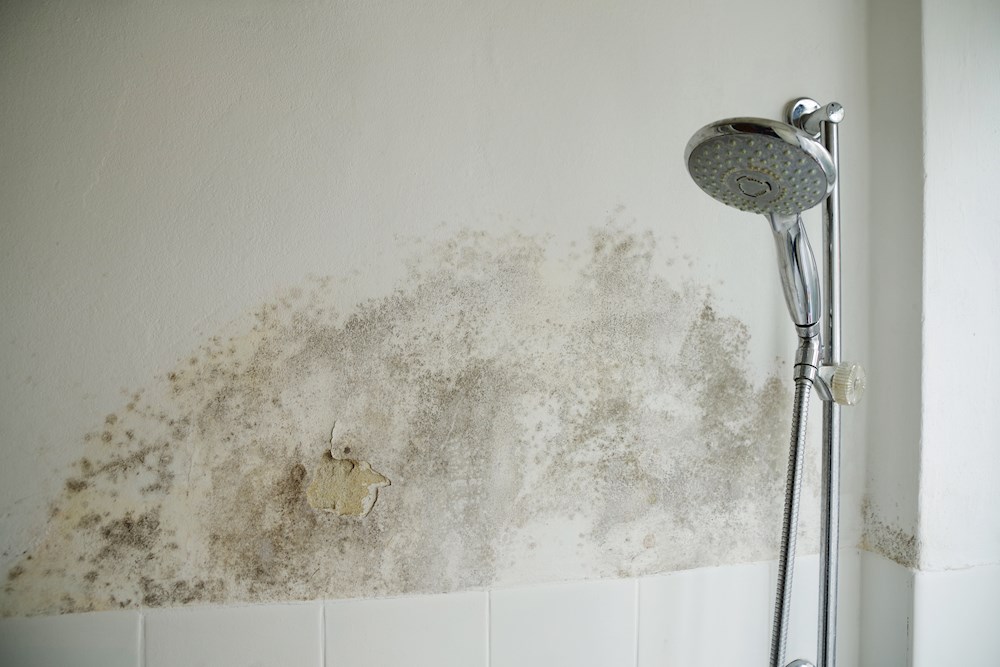
Having mould removed costs on average between €125 and €175 for a standard project. The price depends on the extent of the infestation, the location (walls, ceilings, or joints), and whether the underlying moisture source also needs to be addressed. In this price guide, you can read about the costs of mould removal and what to look out for when comparing quotes.
What does it cost to have mould removed?
Having mould removed costs an average of €125 to €175 per project, where the professional treats mould infestation on walls, ceilings, or joints. Per square metre, costs range between €35 and €50. For more extensive work such as sealing or painting, costs can rise to €75 per square metre.
Mould removal costs per activity
Activities | Unit | Costs |
|---|---|---|
Mould removal | per square metre | €35–€50 |
Mould removal and sealing | per square metre | €35–€45 |
Mould removal and painting | per square metre | €60–€75 |
The table shows that mould removal alone is the most affordable option. When you combine the work with painting, you pay more because the professional first removes the infestation, prepares the surface, and then applies new paint.
Preventive measures costs
Activities | Unit | Costs |
|---|---|---|
Impregnating | for a facade of 100 m² | €900 |
Injecting | for a cavity wall of 10 linear metres | €1,750 |
Installing ventilation system | per project | €2,900 |
Preventive measures are more expensive than the removal itself but help address recurring moisture problems. Impregnating protects facades against moisture, injecting stops rising damp in walls, and a ventilation system ensures better airflow in the house.
All prices mentioned include 21% VAT and labour.
Mould removal costs per activity
The costs for removing mould depend on the additional work required after removal. Only removing mould is the cheapest, while mould removal including painting is the most expensive.
Activities | Unit | Costs |
|---|---|---|
Mould removal | per square metre | €35–€50 |
Mould removal and sealing | per square metre | €35–€45 |
Mould removal and painting | per square metre | €60–€75 |
Factors determining the price of mould removal
The costs for removing mould are determined by several factors that influence the time, complexity, and materials required. Below you can read which elements determine the final price.
Surface area of the infestation
The larger the affected surface, the higher the total costs. The price is calculated per square metre, as the professional needs more time for larger areas. For an infestation of five square metres, you therefore pay more than for one square metre.
Type of mould
Black mould (Stachybotrys) is more dangerous and requires more intensive treatment than green or white mould. The professional must take extra precautions with black mould and use special protective equipment, which increases the costs.
Depth of the infestation
Superficial mould on tiles or paint is easier to remove than mould that has penetrated deep into walls, plasterboard, or wood. With deep infestation, the professional must treat more layers or remove material, which takes more time and work.
Additional work after removal
If re-sealing or painting is required after removal, costs rise to €35 to €45 per square metre for sealing, or €60 to €75 per square metre for painting. The professional must first prepare the surface before applying the finish.
Underlying moisture source
Addressing the cause of mould, such as condensation, penetrating damp, or rising damp, requires additional measures. Installing a ventilation system costs an average of €2,900, impregnating a facade costs €900, and injecting for rising damp costs €1,750. Without tackling the moisture source, mould often returns.
Material replacement
Porous materials such as plasterboard, wood, and insulation sometimes need to be completely replaced in cases of deep infestation. Mould penetrates these materials and cannot be fully removed without replacement. This increases costs because the professional must remove old materials and install new ones.
Emergency versus planned work
Emergency jobs are more expensive than planned work because the professional must adjust their schedule. In cases of acute water damage or rapid mould growth, urgency may be necessary, but this increases the costs.
Weekend versus weekdays
Work at the weekend costs more than on weekdays due to surcharges. If you plan the job during the week, you keep costs lower.
Accessibility of the workspace
When the mould infestation is in hard-to-reach places, such as high ceilings or behind fixed cupboards, the professional needs more time. Extra tools or scaffolding increase the labour time and thus the total price.
Amount of preparatory work
If the workspace is clear and accessible, the professional can start immediately. When furniture needs to be moved or protective material applied, this costs extra time.
Money-saving tips
Address small mould spots early. Mould can spread within 24 to 48 hours after water damage, so acting quickly prevents larger costs. Choose a local professional who can be on-site faster. Ensure the workspace is well-prepared so the professional can start immediately. At Zoofy, you know what you pay in advance, without surprises and without call-out charges.
Additional costs and surcharges for mould removal
Extra costs depend on the situation. At Zoofy, you do not pay call-out charges.
Emergency jobs often have a surcharge because the professional must adjust their schedule
Weekend work is more expensive than during the week
Extra costs arise for sealing (€35 to €45 per square metre) or painting (€60 to €75 per square metre) after mould removal
Preventive measures such as impregnating (€900), injecting (€1,750), or installing a ventilation system (€2,900) are additional investments to prevent the return of mould
In cases of deep infestation, replacement of materials such as plasterboard or insulation may be necessary
How does the professional work when removing mould?
The job follows a set sequence of steps to thoroughly remove mould and prevent it from returning.
Inspection and diagnosis: The professional inspects the affected space, measures the moisture content with a moisture meter, identifies the type of mould, and locates the underlying moisture source such as condensation, penetrating damp, or rising damp.
Preparation: The room is screened off with plastic sheeting to prevent the spread of spores. The professional wears protective clothing and a mask for their own safety.
Mould removal: The mould is treated with professional mould removers and special cleaning agents. In cases of deep infestation, materials such as plasterboard or insulation are completely removed.
Cleaning and disinfection: The surface is thoroughly cleaned and disinfected to kill all remaining spores and create a clean base for further work.
Restoration work: If necessary, it is re-sealed or painted with mould-resistant paint or primer. This step prevents mould from getting a grip on the surface again.
Preventive treatment and advice: The professional applies an anti-mould coating and gives advice on ventilation and moisture control to prevent recurrence. You can prepare by emptying the room and ensuring access to the workspace.
How can you save on mould removal?
There are several ways to reduce the costs of removing mould.
Start small: Treat small mould spots immediately before they spread. After water damage, mould can develop within 24 to 48 hours, so acting quickly prevents larger costs.
Prepare: Make the workspace clear and accessible so the professional can start directly without wasting time. This lowers the price because less labour time is required.
Plan smartly: Book on weekdays instead of the weekend and avoid emergency jobs to prevent surcharges.
Ventilate daily: Ventilate especially after showering or cooking and keep the humidity between 40 and 60 percent with a hygrometer. This prevents new mould growth.
Maintain regularly: Clean sealant joints and check extractors in the kitchen and bathroom to prevent mould formation.
Book through Zoofy: You get a fixed rate in advance, without call-out charges and without surprises. You only pay after the job is completed.
Common causes of mould in the home
Mould is caused by moisture that is not properly drained.
Condensation
Condensation occurs when warm, moist air cools on cold surfaces such as windows or exterior walls. This happens mainly in bathrooms after showering and when drying laundry indoors. You recognise it by water droplets on windows and damp patches on walls.
Penetrating damp
Penetrating damp occurs with damaged or aged facades, allowing rainwater to pull through the wall into the house. This problem is more common in older homes with cracked joints or broken bricks. Damp patches get larger during or shortly after rain.
Rising damp
Rising damp occurs when ground moisture draws up through the foundations due to the lack of a proper damp-proof course. You see this mainly in older homes with wet walls up to about one metre in height and white saltpetre deposits.
Find the best professional for mould removal
A reliable professional not only tackles the visible mould but also solves the underlying moisture source.
No call-out charges: You never pay extra for the professional's arrival, only for the work itself.
Fixed price in advance: You know exactly what the costs are, without surprises afterwards.
Quick booking without quote hassle: Choose a time immediately and hire a professional without long-term comparisons.
Payment via QR code after completion: You only pay when the job is done and you are satisfied with the result.
Reliable, verified professionals: All affiliated professionals are thoroughly screened and have experience with moisture diagnosis, professional treatment methods, and preventive advice.
Expertise where it matters: A good professional recognises whether mould removal alone is sufficient or if additional measures such as ventilation or damp-proof courses are needed.
Frequently asked questions about mould removal
How do you remove mould permanently?
Permanently removing mould only works when you address the underlying moisture source in addition to the visible infestation. The professional treats the affected surface with professional agents, but without sufficient ventilation or solving condensation, penetrating damp, or rising damp, mould will return within weeks to months.
Can mould cause asthma?
Yes, long-term exposure to mould spores can cause asthma or worsen existing symptoms. Black mould (Stachybotrys) poses serious health risks, especially for children and people with weak immune systems. If in doubt about the severity of the infestation, professional inspection is recommended.
Is mould in the house insured?
This depends on the cause. In the case of water damage caused by a leak, home insurance may provide cover, but usually not for poor ventilation or maintenance. Check this with your insurer beforehand to avoid surprises.
Can you remove black mould yourself?
Small areas up to about one square metre can be treated yourself with special agents, but for larger infestations, professional help is needed. Black mould spreads spores that are harmful to health, and the professional has the right protective equipment and experience to work safely.
How long does mould removal take?
Depending on the extent, the job takes a few hours to a full day. For small areas, the professional is often finished within two to three hours, but large-scale remediation with material replacement can take several days.
Can I stay in the house during treatment?
With small areas, yes, but for extensive remediation with chemical agents, it is wise to leave the room. The professional will advise you on this beforehand so you know when the room is safe to use again.
What is the difference between mould and saltpetre?
Saltpetre is a dry white deposit caused by salts in groundwater drawing in through rising damp. Mould is a living organism that feeds on moisture and organic material. Both indicate moisture problems but require different treatment methods.
What should I prepare for the professional's arrival?
Clear the workspace, remove furniture, and ensure good accessibility. This saves time and lowers costs because the professional can start directly without preparatory work.
Who is responsible in a rental home?
The landlord is generally responsible for structural moisture problems such as penetrating or rising damp. The tenant is responsible for sufficient ventilation and preventing condensation by daily airing.
How do I recognise hidden mould?
A musty smell without visible mould, damp patches behind cupboards or under floors, and allergic complaints can indicate hidden mould. A professional can determine with a moisture meter and inspection whether there is hidden infestation.
Book a professional for mould removal
Ready to have mould removed? At Zoofy, you book a professional directly, without quotes and without call-out charges. You see exactly what it costs beforehand, and Zoofy pairs you with a reliable professional who has been verified. You only pay once the work is done.