
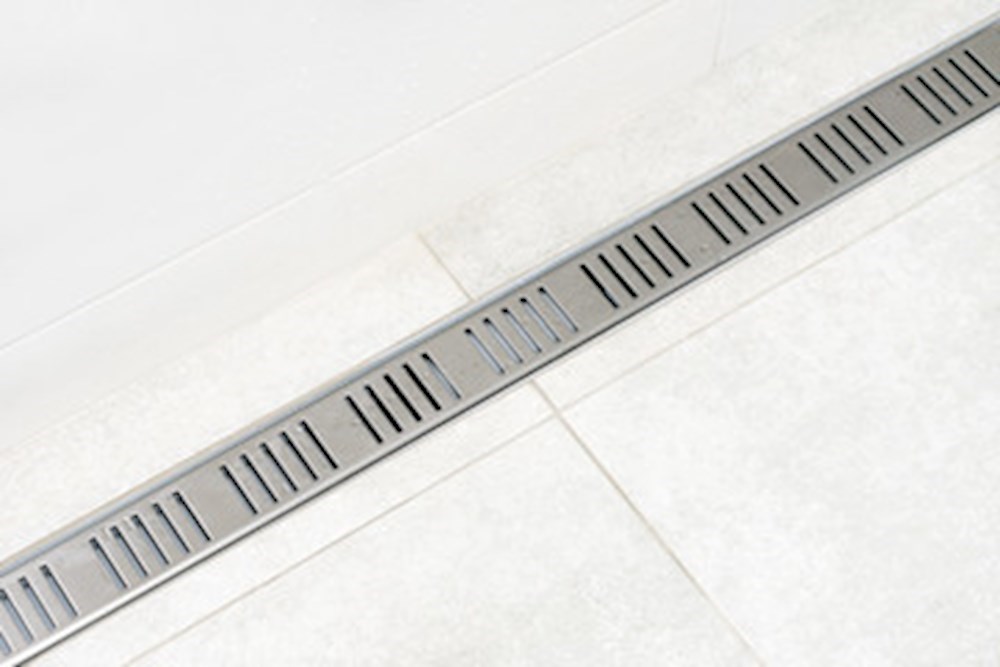
The cost of installing or replacing a shower drain averages between €150 and €400, depending on the type of drain and the complexity of the installation. A shower drain is the outlet in your shower that directs water to the sewage system and prevents flooding. In this price guide, you can read about the costs of installing or replacing a shower drain and what to look out for during this task.
What does it cost to install or replace a shower drain?
Installing or replacing a shower drain costs an average of €300 per drain. Costs vary from €150 to €400, depending on the type of drain and the complexity of the job. This price includes materials and labour.
Cost breakdown for installing or replacing a shower drain
Description | Price |
|---|---|
Installing a shower drain | €150 - €400 per drain |
Material costs | €50 per drain |
Labour and material costs for 1 drain | €300 |
Cost range for labour and material for 1 drain | €250 - €350 |
Material costs for a shower drain average €50 per drain. The largest part of the costs consists of labour, as installing or replacing a drain requires professional skill and precision. The cost range for labour and materials combined lies between €250 and €350 per drain, where the exact price depends on the situation on-site.
All mentioned prices include 21% VAT and labour. The costs are calculated per project and may differ based on the specific circumstances in your bathroom.
Price-determining factors for installing or replacing a shower drain
The costs for installing or replacing a shower drain vary per situation. Below you can read which factors influence the price and why some jobs require more time and labour than others.
Type of shower drain
There are traditional point drains (placed centrally in the shower, where the floor slopes in all directions) and linear gullies (placed against the wall, with a modern look for walk-in showers). Linear drains require more installation precision and are therefore generally more expensive than point drains.
Drain material
PVC or plastic shower gullies are the most affordable. Drains made of steel, chrome, brass, or nickel are more expensive due to material costs. High-quality rust-resistant steel lasts the longest but costs the most.
Drain size
Larger drains cost more than smaller ones. The required size depends on the water flow from your shower head. A rain shower, for example, requires more drainage capacity than a standard shower head.
Renovation versus new build
In renovation, old installations must be removed and existing pipes adapted. This makes the costs for replacing a shower drain higher than in new builds, where everything can be planned from scratch.
Accessibility of pipes
If pipes are difficult to reach, for example behind tiling or in tight spaces, it takes more time to place the shower drain. This increases labour costs.
Floor type
Working in concrete floors is more labour-intensive than in wooden structures. Concrete must be broken up and later restored, which increases costs.
Distance to main drain
The further the shower drain is from the main drain, the more pipework is needed. This increases both material and labour costs.
Structural adjustments
If the floor must be adjusted for correct slope or surface changes are needed, costs increase. These adjustments require extra time and professional skill.
Emergency versus planned
Emergency jobs are more expensive than planned work because the professional must adjust their schedule. Plan the job in time to save costs.
Weekend or weekdays
Work at the weekend costs more than on weekdays due to surcharges.
Do not delay maintenance
Addressing small problems like a slow drain or light leakage early is more economical than waiting until major water damage occurs.
Good preparation
Ensure the bathroom is clear and the workspace is accessible. This saves the professional time and reduces costs.
Fair prices without surprises
At Zoofy, you know what you pay in advance. No call-out charges, no surprises afterwards. Local professionals can also be on-site faster, which can prevent emergency surcharges.
Extra costs and surcharges for shower drain installation
Extra costs when installing or replacing a shower drain depend on the situation. At Zoofy, you pay no call-out charges.
Emergency jobs often incur a surcharge because the professional must adjust their schedule
Work at the weekend is more expensive than during the week
Adjusting floor height for correct slope increases costs
Moving or replacing drain pipes incurs extra costs
Reinforcing the floor may be necessary for older structures
Restoring or replacing tiles around the shower drain
Applying new waterproof finish
Replacing syphon or other parts if necessary
How does the plumber work when installing a shower drain?
Installing or replacing a shower drain follows a established process.
The plumber inspects the current situation, checks the floor slope, and measures the required dimensions.
During replacement, the old shower drain is carefully removed without unnecessarily damaging the surrounding tiles.
The subfloor is prepared and the slope checked. A shower floor must slope at least 1 to 2 centimetres per metre towards the drain.
In new builds or relocation, a suitable drain hole is made at the correct angle.
The new shower drain is placed and levelled, after which the drain is connected to the existing pipe towards the sewage system.
A test is performed to see if everything is watertight and drains well. If the test succeeds, the area is finished with tiles or floor covering.
The job takes an average of 2 to 4 hours, depending on complexity. The costs depend on the type of drain and the situation on-site.
How can you save on installing or replacing a shower drain?
There are several ways to reduce the costs of installing or replacing a shower drain.
Address small problems early: Regularly remove hair and soap residue from the drain and periodically check for rust or wear. This prevents blockages and larger problems that cause higher costs.
Ensure a clear workspace: Clear the shower and bathroom before the professional arrives. An accessible workspace saves time and reduces labour costs.
Choose the right time: Book the job on a weekday instead of at the weekend and avoid emergency jobs. Weekend and emergency surcharges make costs unnecessarily higher.
Combine tasks: Plan the replacement of your shower drain during a bathroom renovation. This prevents double work and saves costs.
Book via Zoofy: You get a fixed rate in advance, without call-out charges and without surprises. You only pay after completion of the job.
Common problems with shower drains
Problems with shower drains have various causes and recognisable signals.
Blockages
Hair, soap residue, and limescale accumulate in the drain and cause slow water drainage. You notice this when water does not drain during showering. Without action, the blockage worsens and water can overflow.
Odours from the drain
A dry or broken syphon allows sewer smells into your bathroom. This indicates a defect or lack of use. The smell will not disappear on its own and may indicate a problem that requires replacement.
Leaks
Aged seals or a poorly installed shower drain cause water leakage to the subfloor or lower floor. Ignoring this leads to water damage, mould formation, and much higher costs later.
Find the best plumber for installing or replacing a shower drain
A shower drain plays a crucial role in preventing water stagnation and leaks.
Why professional skill is important: Poor installation can lead to water leakage, mould formation, and expensive consequential damage. A professional plumber has the technical expertise to do the job well and knows the British standards for drainage capacity, slope, and sealing requirements.
No call-out charges: You never pay extra to have the professional come over.
Fixed price in advance: You know exactly what the costs for installing or replacing a shower drain are, no surprises afterwards.
Book fast without quote hassle: Book a professional directly without requesting quotes first.
Payment via QR code after completion: You only pay when the work is finished.
Reliable, verified professionals: The affiliated professionals are certified plumbers who expertly install or replace the shower drain.
Book a plumber for installing or replacing a shower drain
Ready to have your shower drain installed or replaced? At Zoofy, you book a professional directly, without quotes and without call-out charges. You see in advance exactly what it costs, and Zoofy pairs you with a reliable, verified professional. You only pay when the work is finished.
Useful links
Frequently asked questions
On average, it takes 2 to 4 hours, depending on accessibility and whether tiles need to be removed. The exact time depends on the type of drain and the complexity of the installation.
For a watertight and durable installation, a professional plumber is recommended. Incorrect installation can lead to leaks and water damage, which eventually makes costs much higher.
Often, a few tiles around the drain must be removed to reach the outlet. A professional tries to keep this to a minimum and keep damage to surrounding tiles as small as possible.
A well-installed shower drain made of quality material lasts 15 to 25 years. Replacement is necessary in case of rust, leakage, or structural damage.
Slow water drainage despite unclogging, foul odours, visible rust, leakage to the subfloor, or cracks in the material. These signals indicate that replacement will soon become necessary.
A traditional point drain sits centrally and requires the floor to slope in all directions. A linear drain sits against the wall and provides a modern look, ideal for walk-in showers.
Regularly remove hair and soap residue, use a drain strainer, and periodically clean with a suitable cleaning agent that does not affect the material. This prevents higher costs later.
Yes, provided the floor has sufficient slope (at least 1 to 2 centimetres per metre) and a connection to the drain pipe is possible.
Only the shower is temporarily unusable. The rest of the bathroom can often still be used, and the job usually takes half a day.
The shown prices include labour and VAT. Material costs for the shower drain itself are calculated separately and communicated in advance, so you know exactly what you are paying.