
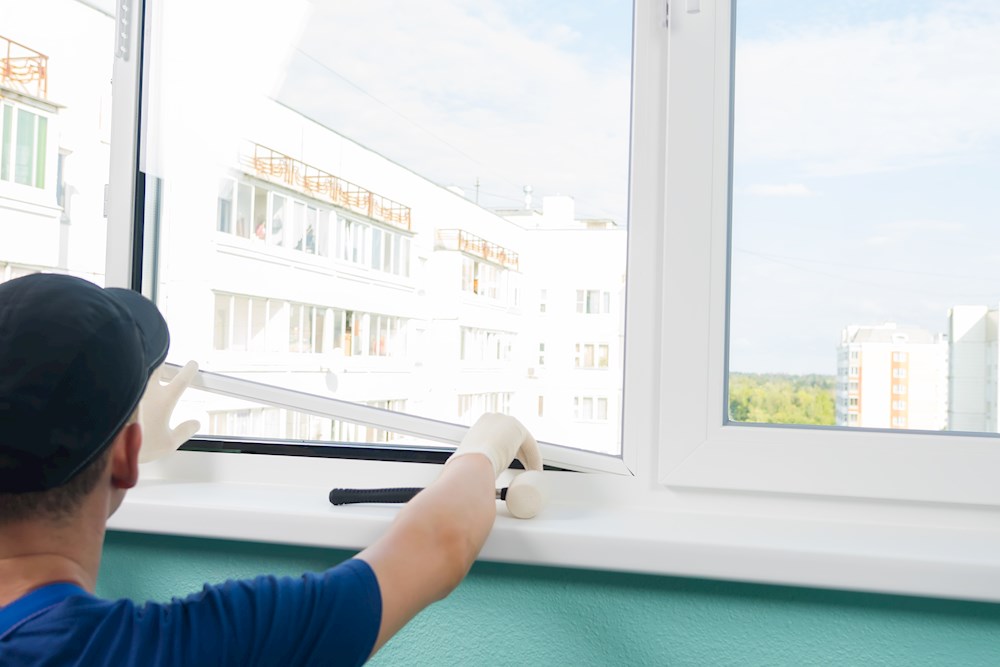
Replacing glazing beads costs on average between €50 and €65 per hour, depending on the professional you hire. Glazing beads are the wooden or plastic strips that hold the glass in your window frame and sometimes need to be renewed due to wear, moisture damage, or when installing new glass. In this price guide, you can read exactly what determines the costs for replacing glazing beads and what you should look out for during this task.
What does replacing glazing beads cost?
Replacing glazing beads costs on average between €50 and €65 per hour. The exact price depends on which professional you hire for the job: a painter, carpenter, or window fitter. Replacing glazing beads is rarely carried out as a standalone job. Usually, it happens in combination with other work, such as painting window frames, installing new glass, or window frame maintenance.
Costs of replacing glazing beads per professional
Professional/Job | Price per hour |
|---|---|
Exterior wood painting | €50–€55 per hour |
Interior wood painting | €50–€55 per hour |
Carpenter | €55–€65 per hour |
The table shows the average costs for replacing glazing beads based on the type of professional. Painters charge an average of €50 to €55 per hour, whether you are having interior or exterior work done. Carpenters usually charge slightly more, between €55 and €65 per hour, because the work often requires precision when cutting and fixing new glazing beads to size.
The price is always calculated per hour, as the time investment varies greatly per situation. With old frames, it may take longer due to extra cleaning work or the careful removal of damaged parts. The affiliated professionals work efficiently but take the time to prevent damage to the frame or glass.
All mentioned prices include 21% VAT and labour. Material costs for new glazing beads are not included here.
Costs for replacing glazing beads per professional
The costs for replacing glazing beads depend on the type of professional performing the task. A painter usually replaces glazing beads during painting work on indoor or outdoor window frames and charges the lowest hourly rate. A carpenter performs this task during window frame replacement or repairs and charges a higher rate. Below you can see what the different options cost.
Professional/Job | Price per hour |
|---|---|
Exterior wood painting | €50–€55 per hour |
Interior wood painting | €50–€55 per hour |
Carpenter | €55–€65 per hour |
Price-determining factors for replacing glazing beads
The costs for replacing glazing beads are between €50 and €65 per hour, but the total price differs per situation. Below you can read which factors determine the price and how they influence the labour time and total costs.
Type of professional
A painter charges €50 to €55 per hour, a carpenter €55 to €65 per hour. The choice depends on the broader task: for painting work, you choose a painter; for window frame repairs, a carpenter. The difference in hourly rate can add up if the job takes several hours.
Glazing bead material
Wooden glazing beads require different techniques than plastic or aluminium glazing beads. Wooden glazing beads must often be carefully removed to avoid damaging the frame, which takes more time. Plastic glazing beads are lighter and faster to replace. The material determines how much time the professional needs, which directly affects the costs.
Combined task
Replacing glazing beads rarely happens on its own. Usually, it is part of painting window frames, installing glass, or window frame maintenance. A combined task is more economical because the professional performs several activities at once. You save time and call-out charges compared to separate jobs.
Urgent versus planned work
Urgent jobs are more expensive than planned work. The professional must adjust their schedule and interrupt previously started tasks. With planned assignments, they can work more efficiently, which reduces costs.
Weekend or weekdays
Work on the weekend costs more than during the week. Professionals charge higher rates for work outside regular hours. Plan the task on a weekday to save costs.
Complexity of the task
Damaged window frames or hard-to-reach windows require more time and expertise. Sometimes the professional must first remove old sealant or paint, or work extra carefully not to damage the frame further. The more complex the situation, the longer the job takes and the higher the total costs.
Number of glazing beads
More glazing beads mean more labour hours. With a single window, you are finished within an hour; with multiple frames with many windows, the time quickly adds up. The price is calculated per hour, so the number of glazing beads to be replaced directly determines the total price.
Condition of the window frame
Rotting wooden glazing beads will eventually damage the window frame itself. Early replacement prevents moisture damage from penetrating deeper into the woodwork. Do not postpone the task: major repairs to the window frame are significantly more expensive than just replacing glazing beads.
Location and accessibility
Local professionals can be on-site faster and often charge no or lower travel costs. Hard-to-reach windows, for example at great heights or in cramped spaces, require more time and sometimes special provisions such as ladders or scaffolding.
Preparation by the customer
Ensure that windows and frames are freely accessible. Remove curtains, planters, and furniture from in front of the windows. Good preparation saves labour hours and lowers the total price.
Transparency in prices
At Zoofy, you know in advance what you pay. You pay no call-out charges and only after completion of the job. All affiliated professionals work at fixed hourly rates, without hidden costs. This makes the costs clear and predictable.
Additional costs and surcharges
Additional costs are situation-dependent. At Zoofy, you pay no call-out charges; this is always included.
For urgent tasks, a surcharge often applies because the professional must adjust their schedule
Work during the weekend is more expensive than during the week
Additional work can arise if it turns out during replacement that the window frame also needs to be repaired
The costs for materials such as new glazing beads, sealant, or insulation tape are in addition to the hourly rate
The costs are transparent: you only pay after the job is completed
How does the professional work when replacing glazing beads?
The method for replacing glazing beads depends on the material of your window frame.
Wooden glazing beads: The professional first loosens the sealant edge with a sharp knife and carefully pries the old bead loose. The nails are removed, and the frame is cleaned and degreased. The new glazing bead is cut to size, fitted with insulation tape, and fixed with glazing sealant. After 24 hours of drying, the frame is lightly sanded and painted.
Plastic glazing beads: Using a putty knife, the bead is pried loose between the glazing bead and the frame. The knife is tilted and the bead rotated so that the rubber is released. The new bead is started on the short side, after which the corners are placed in the corners of the frame. The bead is tapped into place with a plastic hammer, and the long side is placed last.
Aluminium glazing beads: The rubber seal between the glass and the glazing bead is removed, starting at a corner. A screwdriver can help with the removal. The new bead is bent towards the glass and clicked into the correct place. The rubber seal is replaced without pushing the stiles out of shape.
Ensure that windows and frames are freely accessible to the professional before they begin.
How can you save on replacing glazing beads?
There are several ways to reduce the costs of replacing glazing beads without compromising on quality.
Replace in time: Do not wait until glazing beads are completely rotted. Timely replacement prevents moisture from penetrating deeper into the window frame, which saves on more expensive repairs.
Combine tasks: Have glazing beads replaced during painting work or window frame maintenance. The professional is already on-site, saving you labour hours and travel time.
Prepare the workspace: Ensure that windows and frames are freely accessible by removing curtains, furniture, and planters. This saves labour hours and reduces the total costs.
Avoid weekends and emergencies: Plan the job during the week instead of on the weekend or as an emergency. This avoids surcharges.
Book via Zoofy: You get a fixed rate in advance, with no call-out charges and no surprises. You only pay after completion of the job.
When should you replace glazing beads?
Replacing glazing beads is necessary when they become damaged due to wear, moisture damage, or deformation.
Wooden glazing beads
Replace wooden glazing beads as soon as they start to rot. Rot is recognised by discolouration, soft spots in the wood, or peeling paint. Moisture penetrates deeper into the frame via damaged glazing beads, which eventually requires more expensive repairs to the entire frame. Timely replacement prevents moisture damage from spreading.
Aluminium and plastic glazing beads
Replace aluminium or plastic glazing beads if there are visible cracks, fractures, or deformations. Small scratches are no reason for replacement, but damage that affects the seal makes windows less windproof and increases the risk of moisture problems. The costs for replacing glazing beads are limited compared to later window frame repairs.
Find the best professional for replacing glazing beads
Replacing glazing beads requires craftsmanship, as mistakes can lead to leakage or damage to your window frames.
Doing it yourself is risky: There is a lot involved in this task, and mistakes can be expensive with extra costs for glazing beads or frame repairs.
No call-out charges: At Zoofy, you never pay call-out charges; these are always included in the price.
Fixed price in advance: You know in advance what you will pay for replacing glazing beads, with no surprises afterwards.
Book quickly without hassle: Book a professional directly without first requesting quotes or waiting a long time.
Payment via QR code after completion: You only pay when the work is finished and you are satisfied with the result.
Reliable, vetted professionals: Zoofy connects you with a vetted professional close to you for professional work.
Book a professional for replacing glazing beads
Ready to have glazing beads replaced? At Zoofy, you book a professional directly, without quotes and without call-out charges. You see exactly what it costs in advance, and Zoofy connects you with a reliable, vetted professional. You only pay when the work is finished. Book a professional directly now.
Useful links
Frequently asked questions
The costs for replacing glazing beads are between €50 and €65 per hour, depending on the professional you hire. A painter charges €50 to €55 per hour, a carpenter €55 to €65 per hour. The total price depends on the number of glazing beads and the time investment.
A painter, window fitter, or carpenter can replace glazing beads. The affiliated professionals usually perform this task as part of painting work, installing new glass, or window frame maintenance. The choice depends on the broader work on your frame.
A window fitter charges an average of €55 to €65 per hour for replacing glazing beads. This rate applies when the task is carried out during the installation or replacement of glass. At Zoofy, you pay a fixed rate in advance without call-out charges.
It is possible, but there is a lot to it. Mistakes during removal or installation can result in damage to the frame or glass, causing higher repair costs. A professional prevents this and works more efficiently.
This depends on the number of glazing beads, the material, and the condition of your window frame. With a single window, you are finished within an hour; with multiple frames, the time quickly adds up. The professional can best estimate the required time.
Replace wooden glazing beads as soon as they start to rot. Rot is recognised by discolouration, soft spots, or peeling paint. Timely replacement prevents moisture from penetrating deeper into the frame, saving on more expensive repairs.
Replace plastic glazing beads if there is visible damage such as cracks, fractures, or deformations. Damage that affects the seal makes windows less windproof and increases the risk of moisture problems.
No, at Zoofy you never pay call-out charges. These are always included in the price. You only pay after completion of the job via a QR code.
Yes, this is a smart combination that is often more economical. The professional is already on-site, saving you labour hours and travel time.
The price for replacing glass varies greatly per type of glass and is between €50 and €200 per m². Double glazing is cheaper than HR++ glass or triple glass. Replacing glazing beads is often part of this task.