

Costs of a plasterer
Plastering costs 2026
Hiring a professional plasterer costs on average between €7 and €225 per m², depending on the type of plasterwork and the desired finish. A plasterer ensures smooth, sleek walls and ceilings by applying various types of plaster. The costs for a plasterer are determined by factors such as the surface area, the substrate, the type of plasterwork, and any decorative finishes. In this price guide, you can read about the costs of plastering per m², what prices to expect, and what to look for when hiring a professional.
Table of Contents
What does a plasterer cost?
Hiring a plasterer costs on average between €7 and €30 per m² for standard plastering. For luxury finishes such as Tadelakt, costs can rise to €225 per m². Besides the surface area, the type of plasterwork also plays a role: plastering a ceiling costs on average €15 to €30 per m², while plastering a wall costs between €7 and €25 per m². For small areas under 30 m², professionals often charge a starting rate of €300 to €350. The hourly rate is €50 per hour.
Plasterer cost overview per m²
| Service | Average price per m² |
|---|---|
| Levelling (Raapwerk) | €18–€30 |
| Scouring (Schuurwerk) | €18–€25 |
| Ceiling plastering | €15–€30 |
| Decorative plaster | €16–€30 |
| Paint-ready plastering | €13–€33 |
| Wallpaper-ready plastering | €13–€23 |
| Spray plastering (Spackspuitwerk) | €7–€14 |
The table above shows that the costs for plastering per m² vary greatly per finish. Spray plastering is the most affordable option for large surfaces, while levelling and decorative plaster are more labour-intensive and therefore have higher prices. All mentioned prices include 21% VAT and labour.
Plastering costs by type
The type of plasterwork largely determines the costs for a plasterer. Budget options like spray plastering are the most economical starting from €7 per m², while luxury variants like Tadelakt can go up to €225 per m². Below you can see what different plastering options cost.
| Type of plasterwork | Price per m² |
|---|---|
| Spray plastering (Spackspuitwerk) | €7–€14 |
| Wallpaper-ready plastering | €13–€23 |
| Paint-ready plastering | €13–€33 |
| Ceiling plastering | €15–€30 |
| Decorative plaster | €16–€30 |
| Scouring (Schuurwerk) | €18–€25 |
| Levelling (Raapwerk) | €18–€30 |
| Concrete look (Betonstuc) | €100 |
| Tadelakt | €175–€225 |
Price-determining factors for plasterwork
The costs for a plasterer vary per job. The difference between €7 and €225 per m² is determined by several factors that influence the required time, materials, and complexity. Below you can read which aspects determine the total price and where you can save.
Type of plasterwork
The chosen plasterwork has the greatest influence on the price. Spray plastering costs €7 to €14 per m² because it can be applied quickly with a spray gun. Decorative plaster and levelling require more manual labour and cost €16 to €30 per m². Luxury variants such as concrete look and Tadelakt require specialist knowledge and expensive materials, causing the price to rise up to €225 per m².
Surface area
For small areas under 30 m², professionals often charge a starting rate of €300 to €350. This covers preparation time, material pickup, and travel time. For larger areas, the plasterer works more efficiently, causing the rate per m² to decrease. Plastering a 100 m² home is more economical per square metre than a single bathroom wall.
Urgency versus planned
Urgent jobs cost more because the professional must adjust their schedule. A planned job allows the plasterer to organise their work and material purchase more efficiently, which reduces costs. For urgent repairs, you often pay a surcharge of €50 to €100.
Weekend
Work on the weekend is more expensive than during the week. Professionals charge a surcharge for weekend work because it falls outside regular working hours. Plan your task on a weekday to limit the costs.
Complexity
Complex tasks require more time and expertise. Plastering ceilings is labour-intensive because the professional works overhead, which is physically more demanding. Hard-to-reach places such as stairwells, niches, or rooms with many corners increase labour costs. Plastering a straight wall goes faster than a room with sloping walls.
Required materials
The price of plastering material affects the total costs. Standard plaster mortar for spray plastering is affordable, while luxury materials like lime plaster for Tadelakt are more expensive. Special material for damp rooms such as bathrooms also costs more than regular plaster.
Region
In large cities such as Amsterdam, Rotterdam, and Utrecht, the costs for a plasterer are often higher than in rural areas. This is due to higher labour costs, parking costs, and the demand for professionals. The difference can be up to €5 per m².
Preparatory work
If walls first need to be levelled, sanded, or repaired, this increases labour costs. Filling cracks, removing old plaster layers, or levelling an uneven substrate takes extra time. The better the substrate, the faster the professional can plaster.
Saving tip: do not postpone jobs
Having small cracks or damage repaired immediately is more economical than repairing major damage. A small piece of repair work costs €50 to €100, while replastering an entire wall quickly costs €200 to €500.
Saving tip: choose a local professional
Local plasterers can be on-site faster and do not charge high travel costs. At Zoofy, you are directly matched with a professional in your region, without call-out charges.
Saving tip: good preparation and accessibility
Ensure the workspace is clear and accessible. Move furniture in advance, cover the floor, and ensure free access. This saves the professional time and lowers the costs.
Saving tip: use an honest platform like Zoofy
At Zoofy, you know what you pay in advance. There are no surprises, no call-out charges, and the affiliated professionals have an average rating of 9.2. You only pay for the work that is done, at transparent rates.
Additional costs and surcharges
Additional costs depend on the situation. At Zoofy, you pay no call-out charges.
- Starting rate: For small areas under 30 m², a starting rate of €300 to €350 often applies to work cost-effectively.
- Urgency surcharge: For urgent tasks, a surcharge often applies because the professional must adjust their planning.
- Weekend surcharge: Work in the weekend is more expensive than during the week.
- Scaffold rental: For high ceilings or hard-to-reach places, extra costs for scaffolding may apply.
How does the plasterer work?
A plastering job follows a fixed workflow from preparation to finish.
- Preparation: The plasterer checks the substrate for cracks and unevenness, repairs them if necessary, and covers the workspace with foil and masking tape.
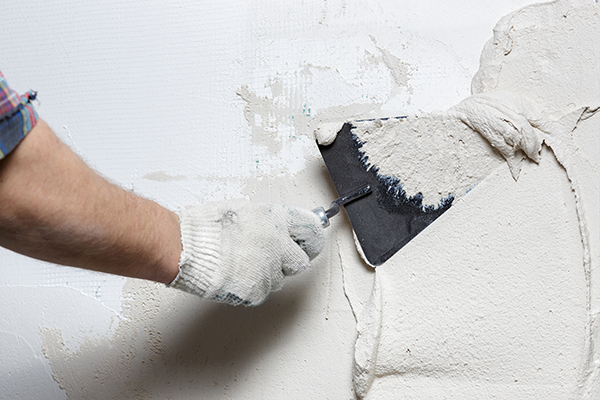
- Applying plasterwork: The professional applies the material with a float, trowel, or spray machine. For spray plastering, a spray gun is used for fast, even coverage of large surfaces.
- Finishing: The surface is smoothed or structured, depending on the desired look such as paint-ready, wallpaper-ready, or decorative.
- Drying time: The plasterwork must dry before it can be painted or wallpapered. The drying time varies from a few days to a week, depending on thickness and humidity.
- Final check: The plasterer checks the result for flatness and coverage. An average room can be plastered within a day. You can prepare by moving furniture and clearing the space, which helps limit costs.
How can you save on plasterwork?
There are several ways to reduce the costs for a plasterer without compromising on quality.
- Handle damage immediately: Having small cracks or loose plaster repaired immediately prevents them from growing into larger problems that require more surface area and entail higher costs.
- Clear the workspace yourself: Move furniture in advance, cover the floor, and ensure free access. This saves the professional time and lowers labour costs.
- Plan during the week: Weekend work and urgent tasks are more expensive because the professional must adjust their planning. Weekday tasks are always more economical.
- Choose a budget variant: Spray plastering costs from €7 per m², while decorative plaster from €16 per m² already gives a sleek result without the high costs of luxury finishes.
- Book via Zoofy: You get a fixed rate in advance, without call-out charges and without surprises. You only pay after the job is completed.
Find the best plasterer for your job
Plasterwork is precision work that you best leave to an experienced professional.
- Professional result: A professional plasterer guarantees a sleek, smooth surface without cracks or unevenness.
- Tailored advice: If in doubt about the type of plasterwork, you can ask the professional for advice on the best option for your situation and budget.
- No call-out charges: At Zoofy, you only pay for the work itself, not for the professional's arrival.
- Fixed price in advance: You know exactly what the costs are before completion of the job, without surprises afterwards.
- Quick booking without quotes: Book a professional directly without time-consuming quote processes.
- Payment after completion: You only pay via QR code when the work is finished and you are satisfied.
- Reliable professionals: Zoofy matches you with vetted plasterers with an average rating of 9.2, so you are assured of quality.
Frequently asked questions about plastering costs
What does a plasterer cost per hour?
The hourly rate for a plasterer is €50 per hour at Zoofy. However, most jobs are charged per m², as this gives a fairer representation of the total costs.
What does it cost to plaster 100 m²?
For 100 m² of plastering, you pay on average €700 to €3,000, depending on the type of plasterwork. Spray plastering is the most economical from €700, while decorative plaster or levelling costs between €1,600 and €3,000.
What does it cost to plaster a ceiling?
Plastering a ceiling costs on average €15 to €30 per m², including material and labour. Ceilings are labour-intensive because the professional works overhead, which increases the price compared to walls.
What does it cost to plaster a wall?
Plastering a wall costs on average €7 to €25 per m², depending on the type of plasterwork. Spray plastering is the most economical, while decorative plaster and levelling cost more due to manual application.
Why is a plasterer so expensive?
Plastering is precision work that requires professional knowledge and experience. The costs cover specialist knowledge, quality material, and labour-intensive manual work. Poorly applied plasterwork leads to cracks and detachment, which requires more expensive repair work.
How long does it take to plaster 100 m²?
Plastering 100 m² takes on average 3 to 5 working days, depending on the type of plasterwork and the complexity. Spray plastering is faster than manually applied levelling or decorative plaster.
What is the difference between paint-ready and wallpaper-ready plastering?
Paint-ready plastering provides a slightly rougher structure suitable for paint. Wallpaper-ready plastering is smoother so that wallpaper adheres better without unevenness.
Why does a starting rate apply to small areas?
For areas under 30 m², a starting rate of €300 to €350 often applies. This covers preparation time, material purchase, and travel time so the plasterer can work cost-effectively.
Can I save costs myself by doing preparatory work?
Yes, by moving furniture and covering the floor, you save labour hours and lower the total costs. This ensures the professional can start the plastering work immediately.
Do I pay call-out charges at Zoofy?
No, at Zoofy you never pay call-out charges. You only pay for the work performed, at a fixed price that is clear in advance.
Book a plasterer
Ready to have plasterwork carried out? At Zoofy, you book a professional directly, without quotes and without call-out charges. You see exactly what it costs in advance, and Zoofy matches you with a reliable, vetted professional. You only pay when the work is finished. Book a professional directly now.