

Costs kitchen wall
Kitchen backsplash costs 2026
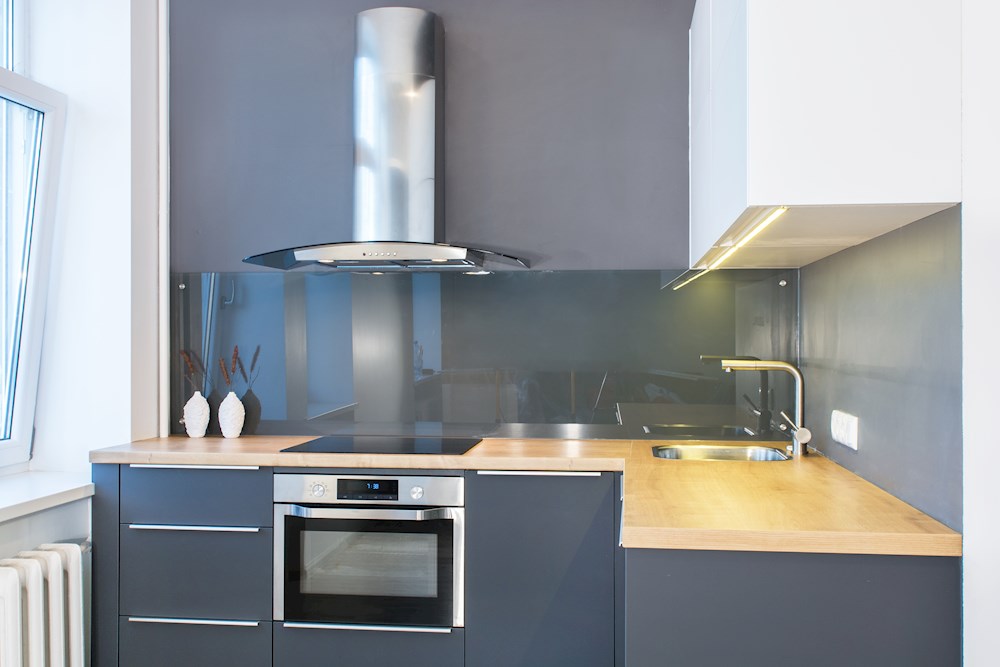
Installing a kitchen backsplash costs an average of €25 to €200 per m² for materials, plus €75 to €500 in installation costs. A backsplash protects your wall against grease, moisture, and splashes behind the cooker and the sink. The average price of a new kitchen is strongly influenced by the type of backsplash you choose, from affordable splash guards to high-quality tiles or glass. In this price guide, you can read about what a backsplash for the kitchen costs and what you should look out for.
Table of Contents
- What does a backsplash in the kitchen cost?
- Kitchen backsplash costs per material type
- Price-determining factors for a kitchen backsplash
- Extra costs and surcharges
- How does the professional work when installing a kitchen backsplash?
- How can you save on a kitchen backsplash?
- Common problems with kitchen backsplashes
- Find the best professional for a kitchen backsplash
- Frequently asked questions about kitchen backsplashes
- Book a professional for your kitchen backsplash
- Useful links
What does a backsplash in the kitchen cost?
A kitchen backsplash costs an average of €25 to €200 per m² for the material, with installation costs of €75 to €500 per project. The average kitchen price increases if you choose exclusive materials such as copper or tempered glass. The exact costs mainly depend on the type of material and the size of the surface to be covered.
Kitchen backsplash material costs
| Material | Price per unit |
|---|---|
| Glass | €125 per m² |
| Plexiglass | €75-€100 per m² |
| Copper | €200 per m² |
| Stainless steel | €100 per linear metre |
| Plastic | €50 per linear metre |
| Tiles | €25-€200 per m² |
Please note: Stainless steel and plastic are calculated per linear metre, while glass, plexiglass, copper and tiles are per square metre. This difference exists because stainless steel and plastic are often supplied as panels or strips in fixed heights.
Installation costs
| Cost item | Price |
|---|---|
| Installation costs | €75 to €500 per project |
The installation costs for a kitchen backsplash vary greatly. A simple plastic splash guard requires less time than installing tiles or custom-cut glass. The total costs including installation are higher if custom work is required or if the surface must first be prepared.
All mentioned prices include 21% VAT. The material costs exclude labour. The affiliated professionals do not charge call-out charges within their working area.
Kitchen backsplash costs per material type
The average kitchen price is strongly influenced by your choice of backsplash material. Plastic is the cheapest option starting from €50 per linear metre, while copper at €200 per m² is among the more expensive materials. Note that some materials are calculated per square metre and others per linear metre.
| Material | Price | Unit |
|---|---|---|
| Glass | €125 | per m² |
| Plexiglass | €75-€100 | per m² |
| Copper | €200 | per m² |
| Stainless steel | €100 | per linear metre |
| Plastic | €50 | per linear metre |
| Tiles | €25-€200 | per m² |
Price-determining factors for a kitchen backsplash
The costs for a kitchen backsplash vary greatly due to several factors. Some aspects increase the material price, others require more labour time from the professional. By knowing what determines the costs, you can better estimate what your project will cost.
Surface area of the backsplash
The larger the surface to be covered, the more material is needed. A backsplash of 3 m² logically costs more than a wall of 1.5 m². Take cutting loss into account, especially with tiles and glass. The total costs increase not only because of the material itself, but also due to the extra installation hours a larger surface requires.
Choice of material
Plastic costs €50 per linear metre, while copper costs €200 per m². Glass lies in between at €125 per m². Some materials require specialist installation. With glass, two professionals often work together due to the weight and fragility. This directly increases the installation costs.
Cut-outs and customisation
Every cut-out for a socket, switch or gas tap requires extra work. For glass backsplashes, these cut-outs must be made in the factory, which increases the delivery time and price. With plastic, the professional can cut on-site, which is more flexible and cheaper.
Condition of the surface
An uneven wall or removing existing tiles takes time. The professional must first prepare the surface before the backsplash can be mounted. With transparent materials such as glass, unevenness is immediately visible, so levelling is necessary.
Urgency or planned work
An urgent job costs more than a planned appointment. The professional must adjust their schedule and possibly postpone other jobs. Plan your project well in advance to avoid these additional costs.
Weekend versus weekdays
Work on the weekend is more expensive than weekday jobs. This is because the professional is active outside regular working hours. If you are flexible with scheduling, choose a weekday.
Region and location
In large cities, prices are often higher than in rural areas. This is due to higher fixed costs and more demand for professionals. The total costs can therefore differ considerably per region.
Heat resistance of the material
Not all materials can go directly behind a gas hob. Certain plastics require a minimum distance from the cooking appliance to prevent deformation or discolouration. Glass and stainless steel are heat-resistant and suitable for placement directly behind the cooker.
Preparation and accessibility
A well-prepared workspace saves the professional time. Remove loose items from the countertop and ensure the space is freely accessible. This reduces labour time and thus the installation costs.
Acting early in case of damage
Do not delay repair if you see moisture problems or a damaged backsplash. Small repairs are cheaper than fixing major damage later. A broken backsplash can draw moisture into the wall, causing expensive consequential damage.
Choosing a local professional
A local professional can be on-site faster and saves travel time. Jobs are linked to affiliated professionals in your region, without call-out charges. This keeps the price fair and predictable.
Transparent price agreements
Choose a platform where you know what you pay in advance. At Zoofy you see the costs beforehand, without surprises afterwards. This makes budgeting easier and prevents discussion about the final price.
Extra costs and surcharges
Extra costs are situation-dependent and can increase the total price. You pay no call-out charges within the professional's working area.
- For urgent jobs, a surcharge often applies because the professional must adjust their schedule
- Work in the weekend is more expensive than during the week due to work outside regular hours
- Removing old tiles or damaged backsplashes increases installation costs
- Levelling or repairing walls is necessary for uneven surfaces
- Complex cut-outs around pipes or extractor hoods require more labour time
- With heavy materials such as glass, wall reinforcement may be necessary
- Custom work has longer delivery times and higher costs than standard sizes
How does the professional work when installing a kitchen backsplash?
A kitchen backsplash is installed in a fixed sequence to ensure the result is watertight and neat.
- Measuring: The professional accurately measures the space, including positions of sockets, switches and the hob. For glass, 3 millimetres of clearance is maintained for installation.
- Surface preparation: The wall must be flat, clean and dry. If necessary, old tiles are removed or the wall is levelled. With textured or loose tiles, removal is necessary.
- Material to size: The material is cut to size. For glass, cut-outs for sockets are done in the factory; for plastic, this can be done on-site. The price is influenced by how much customisation is required.
- Fixing: The fixing method depends on the material: adhesive lines, screws, clamps or click profiles. Glass is heavy and fragile and often requires two professionals, which increases installation costs.
- Application: The backsplash is applied with the correct distance from the worktop, standard 60-70 cm high. A minimum of 10 cm above the hob is maintained.
- Finishing and check: Edges and corners are neatly finished. For copper, edges must be 'set' due to sharpness. The professional checks watertightness and ensures good sealing with silicone work.
How can you save on a kitchen backsplash?
There are several ways to reduce the costs of a kitchen backsplash.
- Address damage early: Repair small moisture problems or loose tiles immediately before these grow into larger, more expensive damage to the wall.
- Prepare the workspace: Clear the countertop and ensure the wall is freely accessible. This saves the professional time and reduces labour time.
- Plan smart: Do not book on the weekend or as an urgent job. Weekday, planned work significantly reduces the price because no surcharges apply.
- Choose affordable material: Plastic costs €50 per linear metre and is the cheapest option. Consider whether a more expensive material is truly necessary for your situation.
- Book through Zoofy: You get a fixed hourly rate in advance, without call-out charges and without surprises. You only pay after completion of the job.
Common problems with kitchen backsplashes
Problems with a kitchen backsplash usually relate to moisture, heat or wear.
Discoloured joints with tiles
Grease and moisture soak into joints, causing dark or green discolouration. This often begins as mould in the grout line, especially around the cooker and sink. Ignoring it leads to further mould growth and damage to the joint.
Loosening of old tiles
Moisture getting behind the tiles causes the adhesive to lose its grip. You recognise this by hollow sounds when tapping or visible cracks in the joint. Without repair, more tiles can come loose.
Moisture damage due to poor sealing
Poor silicone work allows water between the backsplash and worktop. This causes mould and damage to the wall. Early repair prevents costs from rising later due to larger repairs.
Find the best professional for a kitchen backsplash
A reliable professional ensures expert work without surprises.
- No call-out charges: You never pay extra for the professional's arrival within their working area.
- Fixed price in advance: You know exactly what you pay, without the price turning out higher afterwards.
- Quick booking without quote hassle: Provide three moments and the professional will contact you.
- Payment via QR code after completion: You only pay when the job is finished and you are satisfied.
- Reliable, vetted professionals: At Zoofy, only professionals are affiliated with an average rating of 9.2.
- Material-specific expertise: For glass you need a glazier or kitchen specialist, for tiles a tiler. Always ask about experience with the specific material.
- Extra manpower for heavy materials: For glass backsplashes, two professionals are sometimes needed, which influences installation costs but ensures safe and neat placement.
Frequently asked questions about kitchen backsplashes
What does a backsplash in a kitchen cost?
A kitchen backsplash costs an average of €25 to €200 per m² for material, with installation costs of €75 to €500. The price is influenced by your choice of material. Plastic is the cheapest from €50 per linear metre, while copper costs €200 per m².
Can I install a kitchen backsplash myself?
Plastic and plexiglass are relatively easy to install yourself. Glass and copper require specialist knowledge and often two people due to the weight and fragility. For a professional result without risk of damage, it is better to engage an affiliated professional.
How high should a kitchen backsplash be?
Standard is 60-70 cm high, from the worktop to the bottom of the upper cabinets. The backsplash should extend at least 10 cm above the hob for sufficient protection against splashes and heat.
Which material is best behind a gas hob?
Glass, stainless steel and aluminium are the most heat-resistant. Certain plastics require minimum distances from the cooking appliance to prevent deformation or discolouration.
Can I place a new backsplash over old tiles?
Yes, provided the old tiles are smooth, firmly attached and lie flat. With textured or loose tiles, removal is necessary to guarantee good adhesion.
How long does it take to install a kitchen backsplash?
Depending on the material and complexity, this takes a few hours to half a day. Glass with cut-outs takes longer due to the precision required.
Which material is easiest to clean?
Glass and stainless steel are the easiest. Note: stainless steel shows fingerprints more quickly. Tiles with joints are more difficult due to dirt accumulation in the joints.
How do I prevent moisture behind the backsplash?
Ensure good sealing with silicone work, especially at the edges and around the sink. This prevents costs from rising later due to moisture damage to the wall.
Can I remove a backsplash later without damage?
Backsplashes with click profiles or screws can be removed for reuse. Glued backsplashes often leave marks on the wall.
Are some materials better suited for rental properties?
Plastic or plexiglass with click attachment is ideal because these are easy to remove without wall damage when moving house.
Book a professional for your kitchen backsplash
Ready to have a kitchen backsplash installed? At Zoofy, you book a professional directly, without quotes and without call-out charges. You see exactly what it costs beforehand, and Zoofy links you to a reliable, vetted professional. You only pay when the work is done.