
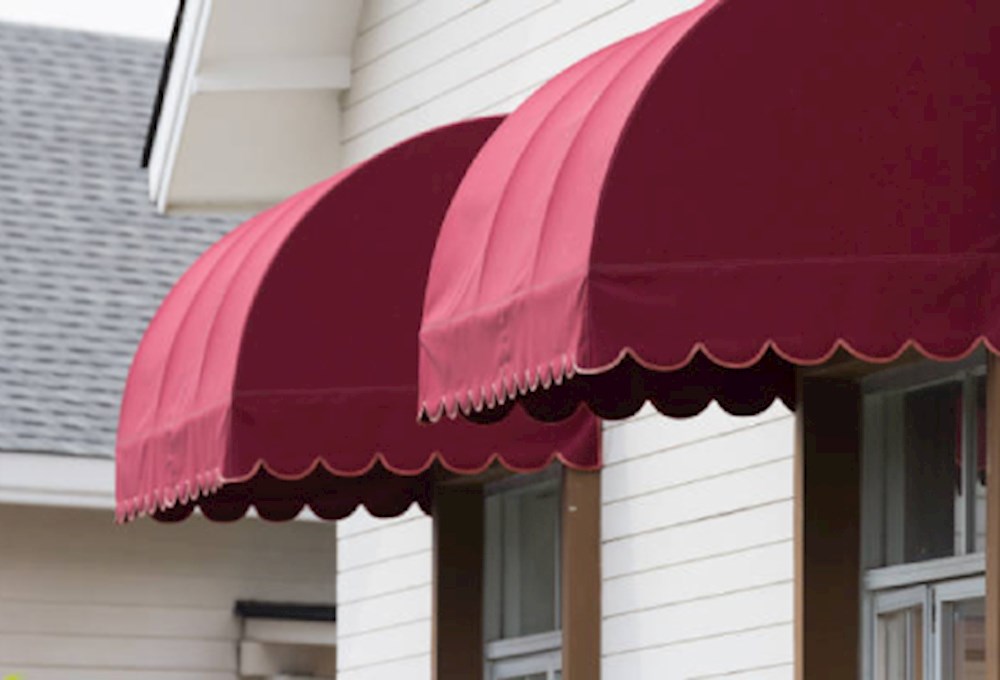
The installation of awnings costs on average between €700 and €2,000, depending on the type of fabric, the operating mechanism, and the dimensions. Awnings are retractable fabrics mounted to the façade that provide sun protection for terraces, balconies and windows via a roll-out mechanism with arms. In this price guide, you can read about what awnings cost and what to look for during purchase and installation.
What do awnings cost?
Awnings cost on average between €700 and €2,000 for a complete project including size, installation, operation, and top cover. The price is calculated per project and depends on the size of the awning, the type of operation, and the material of the top cover.
Overview of awning prices per component
Component | Costs |
|---|---|
Size | €450 to €1,050 per project |
Installation | €100 to €200 per project |
Operation | €50 to €400 per project |
Top cover | €100 to €300 per project |
The table shows that the size has the greatest influence on the price of awnings. Small awnings start at €450, while larger models cost around €800. Installation costs vary between €100 and €200, depending on the complexity of the installation. Manual operation is the most affordable option at €50, while electric or automatic operation can increase costs to €400. A top cover to protect the fabric costs between €100 and €300.
All mentioned prices include 21% VAT and the labour of the professional carrying out the task.
Awnings costs by operation type and top cover
The costs for awnings are mainly determined by the type of operation and the material of the top cover. Manual operation with eye winder is the cheapest option, while wireless operation via a mobile app involves the highest costs.
Costs per operation type
Type of operation | Costs per awning | Functionality |
|---|---|---|
Eye winder | €50 | Operated with a crank handle or hand rod on the inside |
Electric operation | €100 to €200 | Motorised switch |
Time-controlled operation | €100 to €200 | Set the times at which the sun protection opens and closes |
Home automation system | €150 to €350 | Awnings open automatically in sun, rain, or wind |
Wireless operation with remote control | €250 to €350 | Opens and closes with a wireless remote control |
Wireless operation with mobile app | €300 to €400 | Operates the sun protection via an app on smartphone or tablet |
Costs of top cover per material
Material | Costs per awning |
|---|---|
Plastic | €150 to €200 |
Softwood | €100 to €150 |
Hardwood | €300 to €400 |
Aluminium | €150 to €300 |
Price-determining factors for awnings
The costs for awnings vary per project because various factors influence the total price. Below you can read which aspects determine the costs and how you can take them into account.
Format and dimensions
The wider the awning, the more material is needed and the heavier the frame. Larger awnings also require sturdier fixings and longer installation time. Small awnings start at €450, while large models cost around €800.
Type of operation
The choice between manual operation or electric control has a significant impact on the price. Manual eye winder costs from €50, while wireless operation via a mobile app can go up to €400. Advanced home automation systems increase the investment but offer more comfort and protection.
Top cover material
The material of the top cover determines the protection against weather influences and the lifespan. Plastic costs between €150 and €200 and is the most economical. Hardwood offers the best durability but costs €300 to €400. Aluminium and softwood are priced in between.
Fabric material and coatings
Acrylic, polyester, and PVC-coated fabrics differ in durability, water repellency, and UV resistance. Special coatings such as Teflon or dirt-repellent treatments extend the lifespan and reduce maintenance but increase the purchase price. High-quality fabric retains its colour longer and prevents mould formation.
Sensors and automation
Wind, sun, and rain sensors automatically retract the awnings in bad weather. This prevents damage to the fabric and the mechanism, extending the lifespan. The extra investment in sensors protects your purchase in the long term but increases the initial costs.
Installation location and surface
Brick, concrete, wood, and cavity walls require different fastening methods. If the façade has insufficient load-bearing capacity, reinforcement is necessary, which involves extra material and labour. The professional must assess whether the surface is suitable for the chosen awning.
Complexity of the installation
Installation on an upper floor or in a difficult-to-reach place requires more time, expertise, and often extra equipment such as ladders or scaffolding. For placement on an upper floor, a surcharge of €25 per awning applies. Corner solutions or installation under a canopy also increase complexity.
Urgency versus planned work
Urgent jobs are more expensive than planned work because the professional must adjust their schedule and possibly reschedule other appointments. For regular installation, it is better to plan ahead so that the affiliated professionals have enough time to perform the task efficiently.
Weekend and evening work
Work in the weekend or in the evenings costs more than during the week due to irregular working hours. If you are flexible with planning, choose a weekday to save costs.
Region
In large cities, prices for awnings are often higher than in rural areas due to higher overhead costs and greater demand. The availability of professionals and competition in the region also play a role.
Good preparation and accessibility
Ensure the workspace is clear and accessible so that the professional can start immediately without moving obstacles. This saves time and prevents delays, limiting labour costs.
Choosing a local professional
Local professionals can be on-site faster and have less travel time. This not only lowers the costs but also ensures faster service for any aftercare or adjustments.
Addressing small problems early
Do not postpone tasks. A loose fastening or a tear in the fabric can lead to greater damage if you wait too long. Early intervention prevents higher repair costs later and extends the lifespan of your awnings.
Additional costs and surcharges
Extra costs for awnings are situation-dependent. At Zoofy, you do not pay call-out charges, regardless of where you live in the Netherlands.
Urgent tasks: cost more because the professional must adjust their schedule to help you quickly
Weekend work: more expensive than during the week due to irregular working hours
Printing of awning fabric or placement on an upper floor: costs €25 extra per awning
Measurement service in advance: costs approximately €50 extra per awning
Wall reinforcement: for insufficient load-bearing capacity increases the total price
Electrical wiring: installation or adjustment for motorised versions costs extra
Monumental buildings: planning permits may be required
Fabric replacement: significantly cheaper than a complete new awning when only the fabric is worn
How does the professional work when installing awnings?
The installation of awnings follows a standard procedure to ensure safe fastening and correct operation.
Measuring and advice on-site: The professional measures the location accurately and checks the load-bearing capacity of the façade. He advises on the correct dimensions and projection based on the sun's position and the depth of the terrace.
Preparing the installation site: The professional checks for obstacles such as lights, drainpipes, or gutters and determines the optimal installation height for the desired shade.
Attaching brackets: The brackets are securely mounted to the façade. For brick, concrete, or cavity walls, different fastening methods are used to ensure sufficient load-bearing capacity.
Mounting the frame and arms: The aluminium or steel frame is hung in the brackets and the projection arms are mounted. This construction determines the strength and stability.
Tensioning the fabric: The awning fabric is placed in the frame and correctly tensioned to prevent wrinkling.
Installing operation: For manual operation, the crank handle or hand rod is mounted. For electric operation, the motor is connected and possibly linked to sensors or home automation.
Testing, adjustment and instruction: The professional tests whether the awning rolls in and out smoothly, adjusts the end positions, and provides instructions on correct use and maintenance. The average installation takes a few hours, depending on size and complexity.
How can you save on awnings?
There are several ways to save costs on awnings without compromising on quality.
Prevention and maintenance: Always retract awnings during winds above force five and never roll them up when the fabric is wet to prevent mould. Regularly lubricate the mechanical parts and check the fastening points annually. This prevents costly repairs and extends the lifespan.
Good preparation: Ensure the workspace is clear and accessible, remove obstacles under the area to be mounted, and ensure access to electricity if necessary. This saves the professional time and prevents delays.
Smart planning: Do not book in the weekend or with urgency. Weekday, planned tasks are more economical because the professional does not have to charge a surcharge for irregular working hours.
Check permits in advance: For monumental buildings or in protected townscapes, an environmental permit is often required. For rental properties, you need permission from the landlord. Check this beforehand to avoid unexpected costs.
Book via Zoofy: You get a fixed rate in advance, without call-out charges and without surprises. You only pay after the job is completed.
Common problems with awnings
Awnings can develop various problems due to wear, weather influences, or maintenance deficiencies.
Awning does not roll smoothly
Contamination in the mechanism or wear of the motor causes the awning to falter or get stuck. This arises from years of use without maintenance or due to accumulated dirt in the arms and rails. The result is that you can no longer operate the sun protection properly.
Fabric sags or shows tears
Too much wind load, rolling up wet, or ageing of the material cause sagging spots or tears in the fabric. The fabric loses its tension and protective effect. Replacing only the fabric is significantly cheaper than a complete new awning.
Mould formation on the fabric
Storing in a wet state creates a moist environment in which mould and algae develop. This affects the fabric and causes discolorations that are difficult to remove. Professional cleaning can help, but prevention is better by always rolling up dry.
Fastening comes loose
Improper installation or weakened walls cause the brackets to no longer be securely fixed. This occurs with insufficient load-bearing capacity or when screws and plugs come loose. A loose fastening carries risks and must be reinforced immediately.
Ignoring these problems leads to greater damage and higher costs for repairs. Enlist a professional in time.
Find the best professional for installing awnings
A professional with the right experience prevents costly installation errors and guarantees safe fastening.
No call-out charges: You never pay extra for the professional's arrival, regardless of where you live in the Netherlands
Fixed price in advance: You know exactly what the costs are before the task begins, without surprises afterwards
Fast booking without quotation hassle: Choose a moment directly instead of waiting weeks for quotes and comparisons
Payment via QR code after completion: You only pay when the awning is installed and the task is completed entirely to your satisfaction
Reliable, verified professionals: All affiliated professionals are screened for expertise, experience with awning installation and working method
Guarantee on installation: The professional performing the task offers a guarantee on both material and correct fastening to the façade
Specific expertise: For complex installations such as high façades or electric operation with home automation, you can count on a professional with the right knowledge
Book a professional for installing awnings
Ready to have awnings installed? At Zoofy, you book a professional directly, without quotes and without call-out charges. You see exactly what it costs in advance, and Zoofy pairs you with a reliable, verified professional. You only pay when the work is finished.
Useful links
Frequently asked questions
An awning costs on average between €700 and €2,000, depending on the size, operation, and type of top cover. Small awnings with manual operation are the most economical, while larger models with electric operation and sensors increase the costs.
A sunshade 5 metres wide costs on average €1,200 to €1,800 including installation. The price depends on the type of operation, the top cover, and any sensors for automatic operation.
With good maintenance, awnings last an average of 10 to 15 years. The lifespan depends on the fabric material, the operation, and how often the awning is used. Always retract awnings in wind and never roll them up when the fabric is wet.
Awnings are primarily intended as sun protection. In rain or hail, it is wise to retract the awning to prevent damage. Sensors can do this automatically.
Awnings can be mounted on most façades, but the fastening method differs per surface. For cavity walls or walls with less load-bearing capacity, reinforcement may be necessary, which increases the costs.
In a closed cassette (cassette awning), the fabric is completely stored in a housing, which offers better protection against weather and dirt. An open system is cheaper but less protected.
In most cases no, but for monumental buildings or in protected townscapes, an environmental permit may be required. For apartments, you need permission from the VvE (Owners' Association).
Yes, fabric replacement is possible and significantly cheaper than a complete new awning. You can also choose a different colour or pattern when replacing.
Clean the fabric at least once a year with lukewarm water and a soft brush. Lubricate the mechanical parts annually and check the fastening points to prevent costly repairs.
The guarantee varies by manufacturer. Typically it is 2 to 5 years on the fabric, 5 to 10 years on the frame, and 2 to 5 years on the motor. Always ask for the exact guarantee terms.