
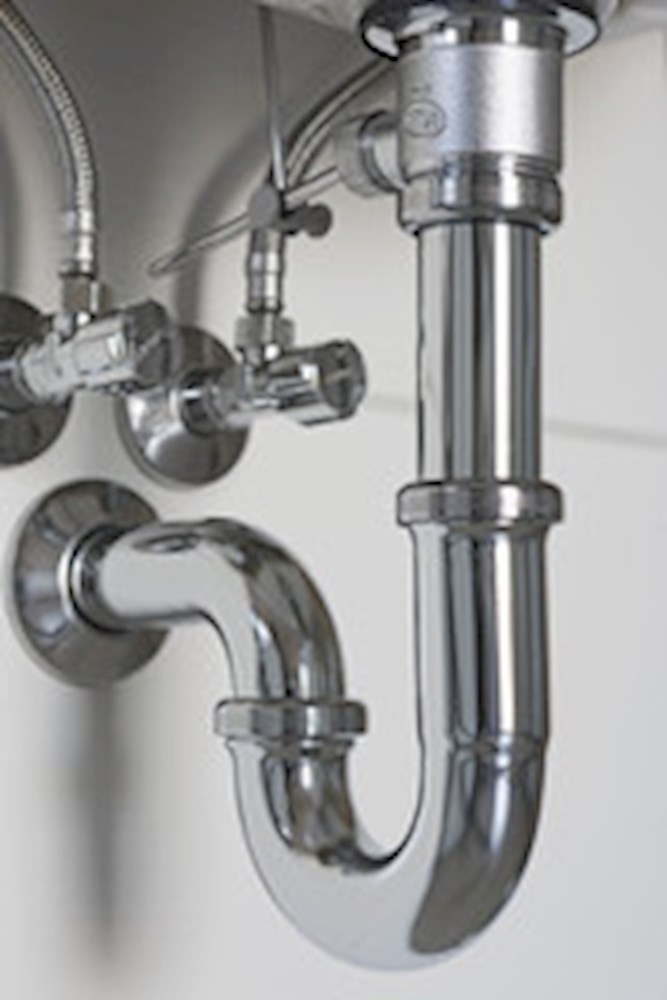
Replacing a siphon costs from €75 per hour for a plumber, with the job itself usually completed within half an hour to an hour. A siphon is the water seal under your washbasin, shower, or kitchen drain that prevents foul odours from the sewerage system from entering your home. In this price guide, you can read exactly what the costs for replacing a siphon are, which factors influence the price, and what to look out for when hiring a professional.
What does it cost to replace a siphon?
Replacing a siphon costs between €75 and €300, depending on the type of siphon and how accessible it is. This amount is based on a plumber's hourly rate from €75 including VAT, and the time required to carry out the task. A standard sink siphon under a kitchen tap or bathroom cabinet is quickly replaced, while a built-in bath siphon requires more time as the bath may need to be partially dismantled.
Plumber's hourly rate
Description | Price per hour |
|---|---|
Plumber's hourly rate | from €75 |
This rate applies to all work related to replacing a siphon. The total costs are therefore determined by how much time the professional needs to complete the job.
Indicative costs per situation
Type of job | Time indication | Costs from |
|---|---|---|
Replacing a sink siphon | 30-60 minutes | €75 |
Shower tray siphon with accessible hatch | 1-2 hours | €75-€150 |
Built-in bath siphon with dismantling | 2-4 hours | €150-€300 |
A sink siphon is usually replaced within half an hour to an hour because it is easily accessible. For a shower tray siphon, the time depends on whether an inspection hatch is present. When a bath must be partially dismantled to reach the siphon, this requires more preparation time and care.
All mentioned prices include 21% VAT and labour. Material costs for the new siphon are additional and depend on the type and quality you choose.
Price-determining factors for replacing a siphon
The costs for replacing a siphon are determined by several factors that influence labour time and complexity. Below you can read what can increase or decrease the price, and what you can watch out for to avoid unexpected costs.
Accessibility of the siphon
A visible pipe siphon under a sink can be replaced within half an hour. A built-in siphon behind tiles or under a shower tray requires first dismantling tiles, panels, or the sanitary ware itself. This extra preparation time extends the job by one to three hours, resulting in higher costs.
Type of sanitary ware
A sink siphon is easily accessible and quick to replace. With a bath siphon, the bath may need to be partially removed to reach the connection. A shower tray siphon is more accessible when an inspection hatch is present, but without a hatch, this also requires extra dismantling work.
Complexity of the connection
Standard threaded connections are quick to unscrew and reconnect. Glue joints or connections with outdated pipes require more time and precision. With glue joints, the old siphon must be carefully sawn off, which extends the labour duration.
Age and condition of existing pipes
With old pipes, connections may be rusted solid or the thread may be damaged during dismantling. This means that parts may need to be replaced or that extra time is needed to reconnect everything properly.
Material type of new siphon
A plastic siphon costs less than a chrome or stainless steel version. Chrome siphons are more aesthetically pleasing for visible applications under a design washbasin but increase material costs. Plastic is functionally equivalent and is often used for built-in siphons.
Emergency versus scheduled work
In the case of a leaking siphon that must be fixed immediately, you pay an emergency surcharge. The professional must adjust their planning and possibly postpone other jobs. Preferably plan the replacement in advance to avoid these extra costs.
Weekend and evening hours
Work at weekends or in the evenings costs more than during the week during the day. The affiliated professionals charge higher rates outside regular working hours. Therefore, preferably plan the job on a weekday.
Region
In large cities, prices are often higher than in rural areas due to higher business costs such as rent, parking, and travel time. This difference can be as much as 10-15% of the total costs.
Preparation and accessibility
Ensure that the space under the sink or around the sanitary ware is clear and accessible. Remove storage items, cleaning products, and other items beforehand. This allows the professional to start immediately and keeps labour time limited.
Choose a local professional
Local professionals can be on-site faster, which is especially helpful for urgent leaks. Shorter travel distances mean faster service.
Do not postpone small problems
A small leak at the siphon can lead to moisture damage to cabinets and floors, causing mould growth. Fixing small problems immediately is more cost-effective than repairing major damage.
Transparent price agreements
At Zoofy, you know what you pay in advance, without surprises. You do not pay call-out charges and payment takes place after completion of the job via QR code. All affiliated professionals use clear rates.
Extra costs and surcharges for siphon replacement
Extra costs when replacing a siphon depend on the specific situation. At Zoofy, you do not pay call-out charges.
For emergency jobs, a surcharge applies because the professional must adjust their planning to help you immediately
Work at weekends is more expensive than during the week due to irregular working hours
Rusted connections in old metal siphons may require extra labour time
Damaged threads in the drain may necessitate replacement or repair of the drain pipe
For built-in siphons, extra tiling or plastering may be needed to create access
Hidden leaks or water damage discovered during dismantling may lead to additional work
Material costs for the new siphon vary from €10 for plastic to €50 for chrome versions
How does the professional work when replacing a siphon?
Replacing a siphon follows a set sequence of steps to ensure a leak-free result.
Inspection and diagnosis: The professional looks at what type of siphon is present and how it is accessible. He determines if extra dismantling work is required.
Preparing the workplace: The water supply is shut off if necessary. The professional places a bucket under the siphon to catch residual water and lays down protection.
Dismantling existing siphon: The old siphon is unscrewed or cut loose. For built-in siphons, the sanitary ware or access hatch is first removed to gain access.
Checking connections: The drain pipe and connection points are checked for damage, wear, or limescale that must be rectified before the new siphon is placed.
Installing new siphon: The new siphon is mounted with correct sealing rings. For a pipe siphon, often no tools are needed; for other types, the professional uses a pipe wrench.
Testing and finishing: The professional tests the new siphon by running water through it and checks all connections. If necessary, the sanitary ware is neatly sealed and you receive an explanation of the work carried out. A simple sink siphon is replaced within 30-60 minutes, while a built-in bath siphon can take 2-4 hours.
How can you save on replacing a siphon?
There are several ways to limit the costs of replacing a siphon.
Preventive maintenance: Flush the siphon with hot water at least once a month to dissolve grease residues. Clean siphons in the shower and sink every six months and use a hair strainer to avoid hair build-up. This extends the life of your siphon and prevents expensive emergency replacements.
Good preparation: Ensure the space under the sink or around the sanitary ware is clear and accessible before the professional arrives. Remove storage items and cleaning products so the professional can start immediately. This saves labour time and therefore costs.
Plan smartly: Do not book at the weekend or as an emergency unless necessary. Combine siphon replacement with other sanitary work to work more efficiently and make the most of travel time.
Replace multiple siphons at once: If you have several siphons of the same age, replace them all at once. The professional is already there and you avoid future emergency jobs with emergency surcharges.
Book via Zoofy: You get a fixed rate in advance, without call-out charges and without surprises. You only pay after the job is completed.
Common causes for siphon replacement
A siphon can lose its function and need replacement due to several causes.
Stubborn blockages
Accumulated hair residues, soap, and grease can block a siphon to such an extent that cleaning no longer helps. The build-up causes slow-draining water and eventually a complete blockage, making replacement the only solution.
Leaks
Worn sealing rings or cracks in the siphon material cause water leaks. This leads to water spots under the sanitary ware and moisture damage to cabinets and floors, which can cause mould growth.
Odour nuisance
A dried-out water seal allows sewer gases to escape, which is unhealthy. This happens after a long absence or with poor ventilation, where sometimes a dry siphon is needed to prevent recurrence.
Find the best professional for replacing a siphon
A reliable professional prevents leaks and damage to built-in siphons or complex drainage systems.
No call-out charges: You never pay extra for the plumber's arrival, even for small jobs like replacing a siphon.
Fixed price in advance: You know in advance what the costs will be based on the hourly rate, without surprises afterwards.
Fast booking without quote hassle: Book a plumber directly without first requesting multiple quotes.
Payment via QR code after completion: You only pay when the work is finished and the siphon has been successfully replaced.
Reliable, vetted professionals: All professionals affiliated with Zoofy are checked for competence and score an average of 9.2.
Hire a professional: For built-in siphons, uncertainty about pipe diameters, outdated pipes, or complex bathroom configurations, you avoid costly mistakes.
Book a professional for replacing your siphon
Ready to have your siphon replaced? At Zoofy, you book a professional directly, without quotes and without call-out charges. You see exactly what it costs in advance, and Zoofy connects you with a reliable professional who has been vetted. You only pay when the work is finished. Book a professional directly now.
Useful links
Frequently asked questions
Plastic siphons last an average of 10-15 years with normal use. In the case of bathroom renovations or for siphons older than 15 years, preventive replacement is wise to prevent leaks.
First check if the sealing rings are correctly placed and fit well. Is the leak persistent? Then hire a professional, because the problem may also lie with the drain pipe.
Not all siphons are interchangeable. You must pay attention to the correct connection diameter and installation height. If in doubt, consult with the professional to determine which type fits your situation.
Replacing an entire drain pipe costs more than just replacing a siphon. Simple drain repairs start from €75 per hour, but extensive pipework can run into several hundred euros depending on the complexity.
A sink siphon is replaced within 30-60 minutes. A shower tray siphon with an inspection hatch takes 1-2 hours. For a built-in bath siphon with dismantling, you should count on 2-4 hours.
With visible pipe siphons under sinks, yes. For built-in siphons under showers or baths, the sanitary ware often has to be removed to reach the connection.
No, without a siphon, sewer gases are released which are unhealthy and cause odour nuisance. Do not wait with replacement if the siphon is defective.
Use a hair strainer in showers and sinks, flush monthly with hot water, and avoid chemical unblockers that affect seals. This extends the lifespan considerably.
Yes, often it can. Dismantle the siphon and remove deposits and hair residues. Replacement is only necessary in case of cracks, worn seals, or persistent leaks.
In case of normal wear and tear, the landlord is responsible for the costs. Always contact your landlord first before hiring a professional yourself.