
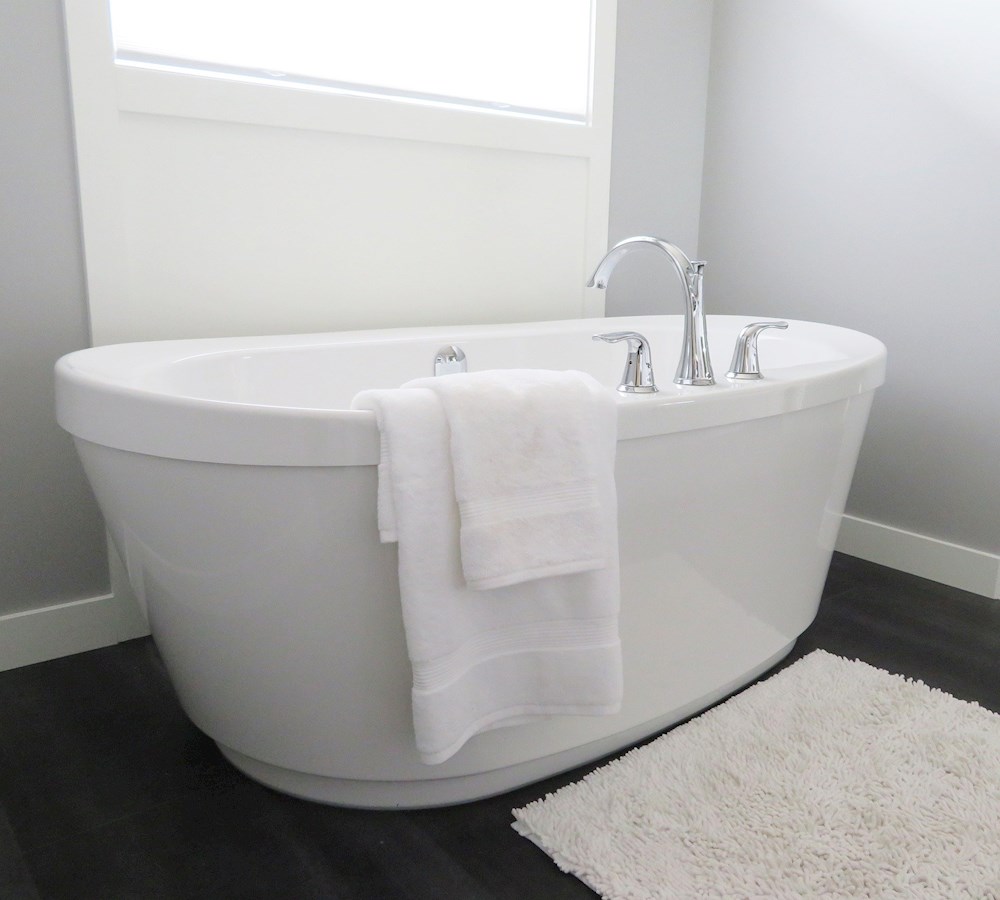
Installing a bath costs on average between €800 and €7,000, depending on the type of bathtub and the complexity of the installation. Installing a bath includes fitting the tub, including pipework, connection to water and drainage, and finishing. The costs for installing a bath are primarily determined by the chosen bath type, the necessary adjustments to existing pipes, and any extra preparatory work. In this price guide, you will learn which factors influence the price and what you can expect with different types of bath installations.
What does installing a bath cost?
Installing a bath, including the bathtub, costs an average of €2,750. The price range runs from €800 for a simple sit-bath to €7,000 for a luxury bath with hydrojets. These costs include the pipework, the connection to water and drainage, and the finishing of the installation.
Prices for bathtub installation (including bath)
Description | Costs |
|---|---|
Average costs | €2,750 |
Average range | €1,500 - €5,000 |
Minimum costs | €800 |
The table shows that the costs for installing a bath, including assembly, vary greatly. The average range of €1,500 to €5,000 covers most common bath installations, where the difference lies in the type of bathtub and the complexity of the pipework. A simple sit-bath requires less time and material than a freestanding or corner bath.
If you only want the assembly carried out and you already have a bathtub yourself, the costs for having a bath installed start from €350 for the installation without the product. All mentioned prices include 21% VAT and labour from the affiliated professionals.
Cost of installing a bath per type
The costs for installing a bath vary greatly per bath type and material. A built-in bath is often the most affordable choice, while a freestanding bath with a marble finish entails the highest costs.
Costs per bath type (materials only)
Type of bath | Costs |
|---|---|
Built-in bath | €250 - €1,950 |
Bath/shower combo | €300 - €2,000 |
Freestanding | €600 - €20,000 |
Corner bath | €500 - €5,000 |
Costs per material (materials only)
Material | Costs |
|---|---|
Steel bathtub | €200 - €2,500 |
Acrylic bathtub | €200 - €6,000 |
Marble bathtub | €1,800 - €19,500 |
Price-determining factors for installing a bath
The costs for installing a bath are influenced by several factors. Below you will find the main elements that determine what you ultimately pay.
Type of bathtub
The chosen type of bath has a major influence on the total costs. A built-in bath fits between existing walls and requires fewer adjustments to the room, making the installation time shorter. A freestanding bath stands alone in the bathroom and requires pipework through the floor, which demands more labour time. Corner baths take up more space and require more precise customisation during placement.
Chosen material
Materials differ greatly in price and weight. Acrylic and steel are lighter and easier to handle, which limits the installation time. Marble baths are heavier and often require floor reinforcement, which means extra labour and material. The weight also determines how many people are needed for placement.
Complexity of the pipework
If existing pipes do not align with the new bath position, water and drainage pipes must be adjusted. This requires extra time for relocating pipes, connecting to main lines, and checking for leaks. In older homes with outdated pipes, adjustments may be necessary for a safe installation.
Removal of old bath
When an existing bath must be removed, this takes extra time. The professional must disconnect the old bathtub from pipes, break it out of its place, and dispose of it. This increases the costs with labour time for disassembly.
Floor reinforcement
Heavy bathtubs such as cast iron or marble baths quickly weigh more than 400 kilograms when filled with water. If the existing floor cannot support this weight, it must be reinforced. This requires extra material and labour from a carpenter or contractor.
Accessibility of the workplace
A bathroom on the second floor with a narrow staircase or small doorway makes the supply of materials more difficult. The professional needs more time to safely bring the bath upstairs and manoeuvre through tight spaces. With very difficult access, extra helpers may be needed.
Region and location
In large cities, hourly rates are on average higher than in rural areas. The availability of professionals also plays a role: in busy regions, it can be harder to find someone quickly, which influences the costs.
Emergency versus planned work
Emergency jobs cost more because the professional must adjust their schedule. For planned work, they can work more efficiently and organise materials in advance, saving time and costs.
Weekend and evening work
Work outside office hours is accompanied by surcharges on labour. Weekend work costs more than weekday jobs due to higher hourly rates for irregular hours.
Condition of existing pipes
Outdated pipes with lime or rust deposits can cause unexpected problems during installation. If pipes no longer meet current standards, the professional must replace or adjust them before the new bath can be connected.
Preparation by the customer
A tidy and freely accessible workplace saves time. If the professional first has to move things or clear the room, labour time increases. Good preparation keeps costs manageable.
Platform choice
With transparent platforms like Zoofy, you know in advance what you pay. You pay no call-out charges and only after completion of the work, which prevents surprises.
Extra costs and surcharges when installing a bath
Extra costs depend on the situation. At Zoofy, you do not pay call-out charges.
Emergency surcharge: For emergency jobs, a surcharge applies because the professional must adjust their schedule
Weekend surcharge: Work in the weekend is more expensive than during the week
Removal of old bath: Removing and disposing of an existing bath increases the costs
Adjusting pipes: Renewing or relocating water and drainage pipes increases the total price
Floor reinforcement: Heavy baths such as marble or freestanding tubs may require floor reinforcement
Tiling or floor repair: After placement, the surrounding area may need to be finished with tiles or other floor covering
Connecting whirlpool system: Baths with hydrojets require electrical connection and possibly extra pipework
How does the professional work when installing a bath?
Installing a bath follows a fixed sequence of steps to ensure a safe and watertight installation.
Preparation and inspection: The professional inspects the existing pipes, drainage, and floor condition. If necessary, they first remove the old bath by disconnecting and disposing of it.
Adjusting pipework: If necessary, water and drainage pipes are adjusted or moved to the position of the new bath. The professional checks if all connections are correct for the chosen bathtub.
Placing the bath: The bath is placed in the correct position. For built-in baths, the tub is set level against the walls; freestanding baths are precisely positioned in the room.
Connecting: The tap and drainage are connected to the pipework. For whirlpools, the professional also makes the electrical connection for the hydrojet system.
Watertight sealing and finishing: All connections are sealed with silicone. The surrounding area is finished with tiles or other material. The professional tests the installation for leaks.
Installing a built-in bath takes an average of four to six hours. A freestanding bath can take six to eight hours, depending on the complexity of the pipework. The bathroom is not usable during the work, so plan an alternative showering option.
How can you save on installing a bath?
There are several ways to lower the costs without compromising on quality.
Tackle problems early: Repair small leaks or outdated pipes before you place a new bath. This prevents more expensive adjustments during installation.
Clear the workplace: Tidy up the bathroom completely and ensure everything is accessible. This saves the professional time and keeps costs lower.
Plan during the week: Book the job on a weekday and avoid emergency jobs. Weekend and emergency surcharges increase costs significantly.
Choose an affordable bath type: A built-in bath or acrylic bath is more economical than a freestanding marble bath. Choose a type that fits your budget without unnecessary luxury.
Reuse existing parts: A bath tap that still works well can be reused, which saves material costs.
Book via Zoofy: You get a fixed rate in advance, without call-out charges and without surprises. You only pay after completion of the job.
Common problems when installing a bath
Problems during bath installation can have various causes.
Leaks due to poor sealing
Carelessly applied silicone around the bath edge causes water leakage between the bath and wall. This causes moisture build-up behind tiles and eventually mould growth and water damage to floors and walls.
Floor not level
An uneven floor makes correct placement impossible. The bath stands crooked, which causes leaks at the drain and limits comfort. Levelling must happen beforehand to keep costs within budget.
Insufficient floor load capacity
Heavy baths such as marble weigh more than 400 kilograms when filled. If the floor cannot support this, damage occurs to joists and the ceiling of rooms below. Reinforcement prevents expensive structural repairs.
Find the best professional for installing a bath
Installing a bath requires plumbing work and precise waterproofing, making an experienced professional essential.
Check experience with your bath type: Ask if the professional has experience with freestanding, built-in, or whirlpool baths, as each type requires specific knowledge for correct installation.
Ask about warranty: Inquire what happens in case of problems after placement and what warranty applies to the performed installation.
No call-out charges: You never pay extra for the arrival of the affiliated professional, only for the actual work.
Fixed price in advance: You know exactly what the costs for installing a bath are, without surprises afterwards on the final bill.
Book quickly without hassle: Choose a time directly and book the professional without having to request multiple quotes first.
Payment via QR code after completion: You only pay once the job is fully completed and you are satisfied with the result.
Reliable, verified professionals: All affiliated professionals are verified, so you are sure of quality.
Book a professional for installing a bath
Ready to have a bath installed? At Zoofy, you book a professional directly, without quotes and without call-out charges. You see exactly what it costs in advance, and Zoofy connects you to a reliable professional who has been verified. You only pay when the work is finished. Book a professional directly.
Useful links
Frequently asked questions
Installing a bath costs on average €2,750 including bathtub, pipework, and assembly. Costs vary from €800 for a simple sit-bath to €7,000 for a luxury bath with hydrojets. If you already have a bathtub yourself, costs start from €350 for the installation only.
You can install a bath if the floor can support the weight and water and drainage connections are available. With existing pipes in the right location, placement is simpler. When pipes need to be adjusted or the floor needs reinforcement, more preparatory work is required.
Installing a built-in bath takes an average of four to six hours. A freestanding bath can take six to eight hours, depending on the complexity of the pipework and any floor reinforcement. With adjustments to old pipes, the installation time increases further.
Standard floors can support an acrylic or steel bath without problems. Heavy baths such as marble or cast iron weigh more than 400 kilograms when filled and sometimes require floor reinforcement. The professional assesses this beforehand and advises on necessary adjustments.
You can purchase the bath yourself or ask if the professional can arrange this. Ensure the bath is delivered on time before the job is scheduled, so that the installation can proceed without delay.
The professional can remove and dispose of the old bath. Removal entails extra costs for disassembly and disposal of the material.
Yes, but this requires adjustments to pipes and possibly the floor because a bath needs different connections than a shower. The professional can estimate the feasibility and costs after inspecting the space.
After placement, silicone and other seals must dry completely. Wait at least 24 hours before using the bath to prevent leaks.
No permits are required for standard bath installation. For major renovations or structural adjustments to load-bearing walls or floors, this may be different.
Clean acrylic with non-abrasive agents to prevent scratches. Steel baths with porcelain are durable but can chip with hard impacts. Renew silicone joints periodically to prevent leaks.