
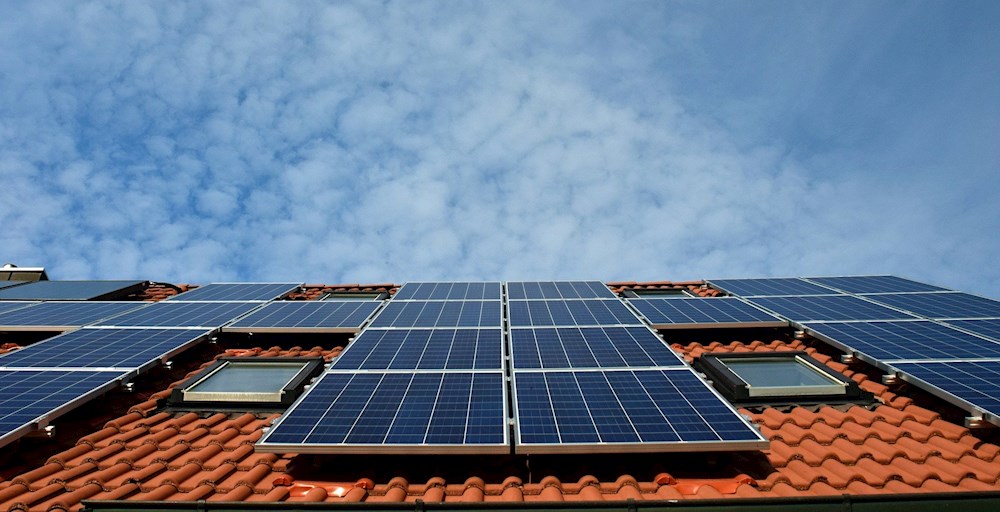
Making your home energy-neutral costs on average between €45,500 and €65,000, depending on the current energy performance, the desired measures, and the size of your house. An energy-neutral home generates as much energy on an annual basis as it consumes, so the energy meter ends up at zero every year. In this price guide, you can read about the costs of making your house energy-neutral and what you should look out for.
What does it cost to make a house energy-neutral?
The costs to make a house energy-neutral average between €45,500 and €65,000 per project, depending on the starting situation and the size of your home. This investment includes insulation, ventilation, a sustainable heating system, and solar panels to reach zero on an annual basis. Exactly how much you pay depends on the age of the house and the measures already taken.
Overview of costs for making a house energy-neutral
Description | Price |
|---|---|
Making a house energy-neutral per project | €45,500 - €65,000 |
This price reflects the total investment for an average home. The distribution between insulation, heating installation, and solar energy differs per project, but together these measures ensure that your home generates as much energy as it consumes.
A phased approach, where you work in steps, can be cost-effective because you can take advantage of interim subsidies. Making your home energy-neutral directly in one total renovation requires a higher initial investment but saves on coordination costs and is financially more attractive for homes with a low energy label such as E, F, or G.
The costs include 21% VAT and labour. The affiliated professionals calculate the price based on a full custom package tailored to your house and the desired net-zero objective.
Costs per component of energy-neutral renovation
The costs of making a house energy-neutral, averaging €45,500 to €65,000, consist of four main categories: insulation of floors, walls, and roof; ventilation with heat recovery (WTW); a sustainable heating system such as a heat pump; and solar energy via solar panels or a solar boiler. The house type determines the distribution: detached houses have more facade surface to insulate, terraced houses share facades with neighbours resulting in lower costs, apartments require approval from the Homeowners Association (VvE), and monumental buildings have limitations in insulation possibilities.
Category | Specification | Typical for |
|---|---|---|
Insulation | Rock wool and glass wool (cavity walls), PIR boards (roof), EPS (floor) | All house types |
Ventilation | Heat recovery system | Compulsory for energy-neutral homes |
Heating | Air-to-water heat pump | Most common, suitable for most homes |
Heating | Ground-to-water heat pump | Higher investment, more efficient |
Heating | Air-to-air heat pump | Cheaper, less suitable as main heating |
Solar energy | Solar panels and/or solar boiler | Energy generation, possibly with home battery |
Price-determining factors for making a house energy-neutral
The costs to make a house energy-neutral vary significantly per property. What costs €45,500 for one home can rise to €65,000 or more for another project. These differences arise from the physical characteristics of your house, the complexity of the work, and practical circumstances.
House size and type
A larger home requires more insulation material and heavier installations. A detached house with four facades costs more than a mid-terrace house that shares two walls with neighbours. More surface area also means more labour, which increases the total costs.
Age and current state of the house
Older homes, especially those built between 1950 and 1980, often have no or minimal insulation. Outdated frames, radiators, and boilers must be replaced, making the renovation more extensive. Newer homes with partially insulated shells require less drastic adjustments.
Current energy label
Homes with labels E, F, or G have a larger leap to make than homes with labels C or D. The lower the starting label, the more measures are needed to achieve net-zero. This increases costs considerably.
Roof construction and orientation
A sturdy, south-facing roof without shade offers the best yield for solar panels. Roofs with limited slope angles, shading from trees, or low load-bearing capacity require extra adjustments. This affects installation costs and the number of panels needed.
Available space for installations
A heat pump outdoor unit needs space on the facade or in the garden. A home battery must be placed indoors. Limited space requires alternative solutions, increasing labour time and material costs.
Presence of cavity walls and crawl space
Cavity wall insulation is cheaper than internal insulation. An accessible crawl space lowers the costs for floor insulation. Homes without a cavity or with an inaccessible underside require more expensive insulation methods.
Complexity of pipework
Replacing radiators with underfloor heating or installing new pipes for a heat pump requires more labour. Complex installation paths increase costs due to longer execution times.
Accessibility and preparation
A clear, easily accessible workspace saves labour time. If materials must be transported through narrow passages or stairs, the installation duration increases. Good preparation keeps labour costs manageable.
Region and location
In large cities, prices are higher due to higher wage costs and travel distances. Rural areas often have lower rates. This difference affects all parts of the renovation.
Weekends and emergencies
Work on weekends is more expensive than during the week. Emergency assignments require quick planning adjustments, which increases costs. Planned work always results in a lower price.
Payback period
The payback period depends on the investment, annual energy savings, and current energy prices. On average, this is 10 to 15 years. Subsidies such as the ISDE shorten this period.
Local professionals and planning
A local professional reaches your home faster and limits travel costs. Good planning ensures efficient working without redundant tasks. At Zoofy, you know what you pay in advance, without call-out charges and without surprises.
Extra costs and surcharges
The costs of making a house energy-neutral can be higher due to situation-dependent surcharges and additional work. At Zoofy, you do not pay call-out charges.
Upgrading electrical installation: The fuse box may need to be adapted for the connection of a heat pump and solar panels
Permits: Permits are required for monumental buildings or protected cityscapes
Inspection after completion: Adjusting the energy label after the renovation entails inspection costs
Unforeseen costs in old homes: Such as asbestos removal or extra structural reinforcements
Heating system adjustment: Existing radiators may need to be replaced by larger ones or underfloor heating for low-temperature heating
Emergency jobs: A surcharge applies because the professional must adjust their planning
Weekend work: Work on weekends is more expensive than during the week
How does the professional work when making a house energy-neutral?
The renovation to an energy-neutral home follows a fixed sequence of steps, where each component connects to the next.
Energy scan: A certified energy advisor assesses your current situation and draws up a custom plan indicating where the most energy losses occur and what costs you can expect.
Structural inspection: For older homes, the professional checks if the construction is suitable for the planned adjustments, such as the roof's load-bearing capacity for solar panels.
Insulation work: First, gaps and cracks are sealed, then floors, walls, and the roof are insulated with suitable materials such as PIR boards or rock wool.
Glazing and ventilation: Old windows are replaced by HR+++ glass, and a ventilation system with heat recovery is installed for a healthy indoor climate.
Heating system: The installer replaces the boiler with a heat pump and, if necessary, adjusts the radiators or underfloor heating for low-temperature heating.
Solar energy and completion: Solar panels are placed on the roof, tailored to the expected consumption. Optionally, a home battery and smart thermostat are installed. After completion, the energy label is adjusted.
How can you save on making your house energy-neutral?
There are several ways to lower the costs of making your house energy-neutral without compromising on quality.
Research subsidies and loans: Make use of national and regional subsidies such as the ISDE scheme, and apply for a low-interest sustainability loan. This directly reduces your investment.
Combine with a planned renovation: If you are already planning a major renovation, have your house made energy-neutral at the same time. This saves on installation costs because the professional performs multiple tasks at once.
Choose the right order: Always start with insulation before installing a heat pump. A well-insulated house needs a smaller, cheaper heat pump.
Plan during the week: Work during the week is cheaper than on weekends or as an emergency, as the professional does not charge a surcharge for adjusted planning.
Book via Zoofy: You get a fixed rate in advance, without call-out charges and without surprises. You only pay after the job is completed.
Common bottlenecks in energy-neutral renovation
In energy-neutral renovations, technical and practical bottlenecks can increase costs or delay the project.
Unsuitable roof construction
Older roofs are sometimes too weak for the weight of solar panels or have an unfavourable orientation with shading. A structural inspection beforehand prevents disappointments and unexpected reinforcement costs.
Insufficient space for heat pump
The outdoor unit of a heat pump requires sufficient space on the facade or in the garden and must comply with noise standards. Check this beforehand to avoid having to use alternatives such as a hybrid system.
Limited cavity width
In houses built before 1975, the cavity is often too narrow for effective insulation. This makes internal or external insulation necessary, which increases costs.
Moisture and mould problems after insulation
Without proper ventilation, insulation leads to moisture accumulation and mould growth. A ventilation system with heat recovery is essential for a healthy indoor climate.
VvE decision-making in apartments
For collective measures such as facade insulation or solar panels, permission from the VvE is required. This decision-making process can delay the project by months.
Monument status
Monumental buildings have strict rules that limit insulation possibilities. Extra permits and adapted materials increase costs significantly.
Find the best professional for making your house energy-neutral
A reliable professional with experience in integrated renovations is essential for a successful energy-neutral project.
Certified professionals: Zoofy only works with verified professionals who are recognised for energy advising, heat pump installations, and solar panels. All professionals have experience with energy-neutral renovations.
No call-out charges: You never pay call-out charges, regardless of where you live or how big the job is.
Fixed price in advance: You know exactly what the costs are before the work begins, without surprises afterwards.
Fast booking without quote hassle: Choose a time immediately and book a professional without first requesting multiple quotes.
Payment via QR code after completion: You only pay once the work has been completed to your satisfaction and the professional has gone over the result with you.
Verified quality: The affiliated professionals score high on reliability and experience. If you have doubts about costs or technical issues, they are happy to help.
Book a professional to make your house energy-neutral
Ready to have your house made energy-neutral? At Zoofy, you can book a professional directly, without quotes and without call-out charges. You will see exactly what it costs beforehand, and Zoofy connects you with a reliable, verified professional. You only pay when the work is finished. Book a professional directly.
Useful links
Frequently asked questions
The costs to make a house energy-neutral range between €45,500 and €65,000 per project. This investment includes insulation, ventilation, a heat pump, and solar panels to reach zero on an annual basis.
An energy-efficient home consumes less energy, but still uses some. An energy-neutral home generates as much energy as it consumes, resulting in an annual energy balance of zero.
In principle yes, but the costs and complexity vary greatly per house type. Older homes require more insulation and adjustments; monumental buildings have specific limitations due to protected status.
The payback period is on average between 10 and 15 years, depending on the investment, energy prices, and subsidies received. Higher energy prices shorten this period.
The ISDE subsidy is available for heat pumps and insulation. In addition, there are regional schemes and low-interest sustainability loans.
No, an energy-neutral house is completely off gas and uses a heat pump for heating and hot water.
Alternatives include solar panels on an outbuilding, a carport, or participation in a solar park. An energy advisor can assess the possibilities.
With a phased approach, usually yes. In the case of a total renovation, moving out temporarily may be necessary depending on the scale of the work.
The net metering scheme allows you to offset excess solar energy against your consumption. This scheme is being phased out, making a home battery more interesting for energy storage.
Solar panels require minimal maintenance. The heat pump and the heat recovery system must be checked periodically, and filters must be replaced.